
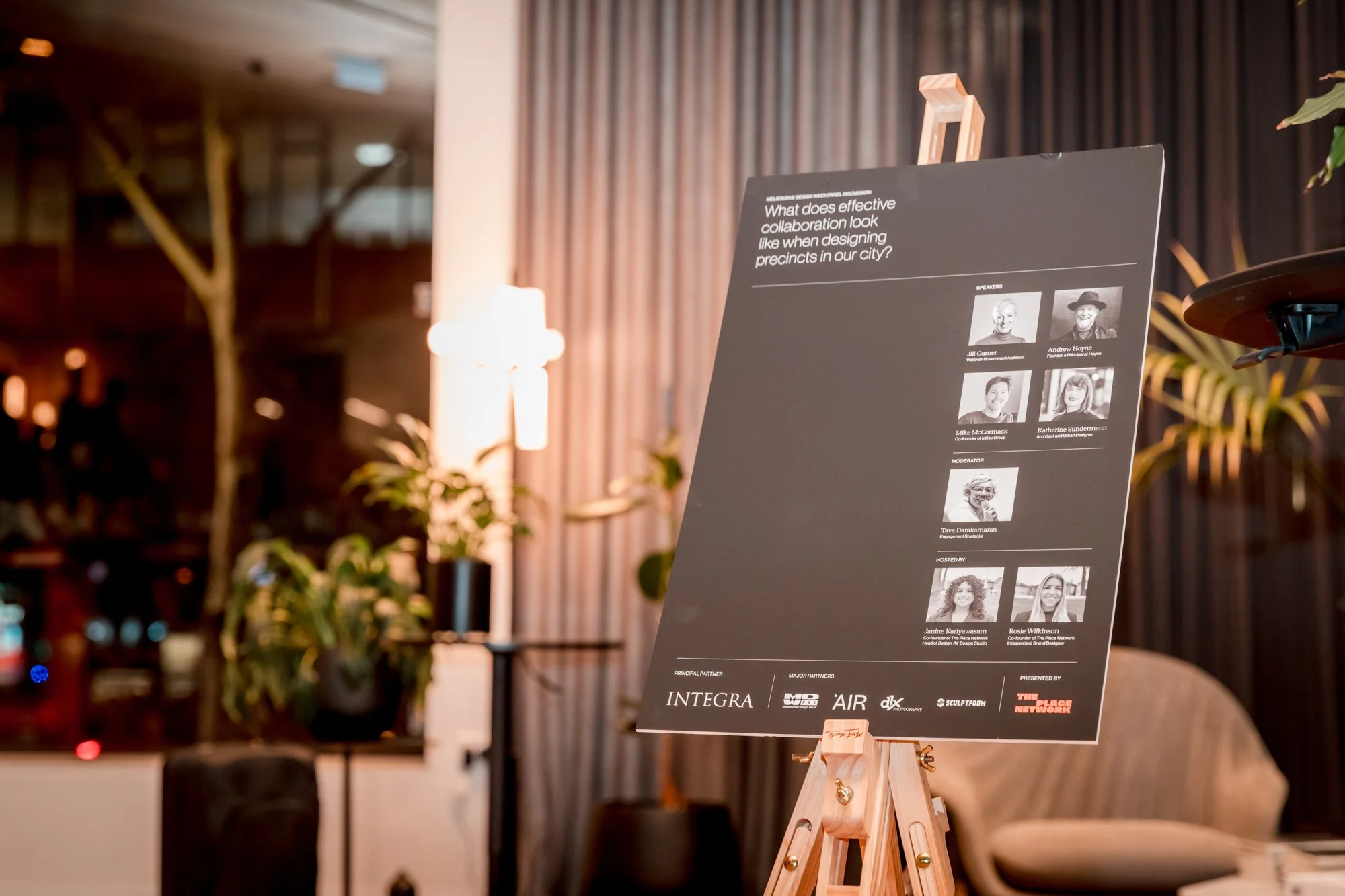
What does effective collaboration look like when designing precincts in our city?
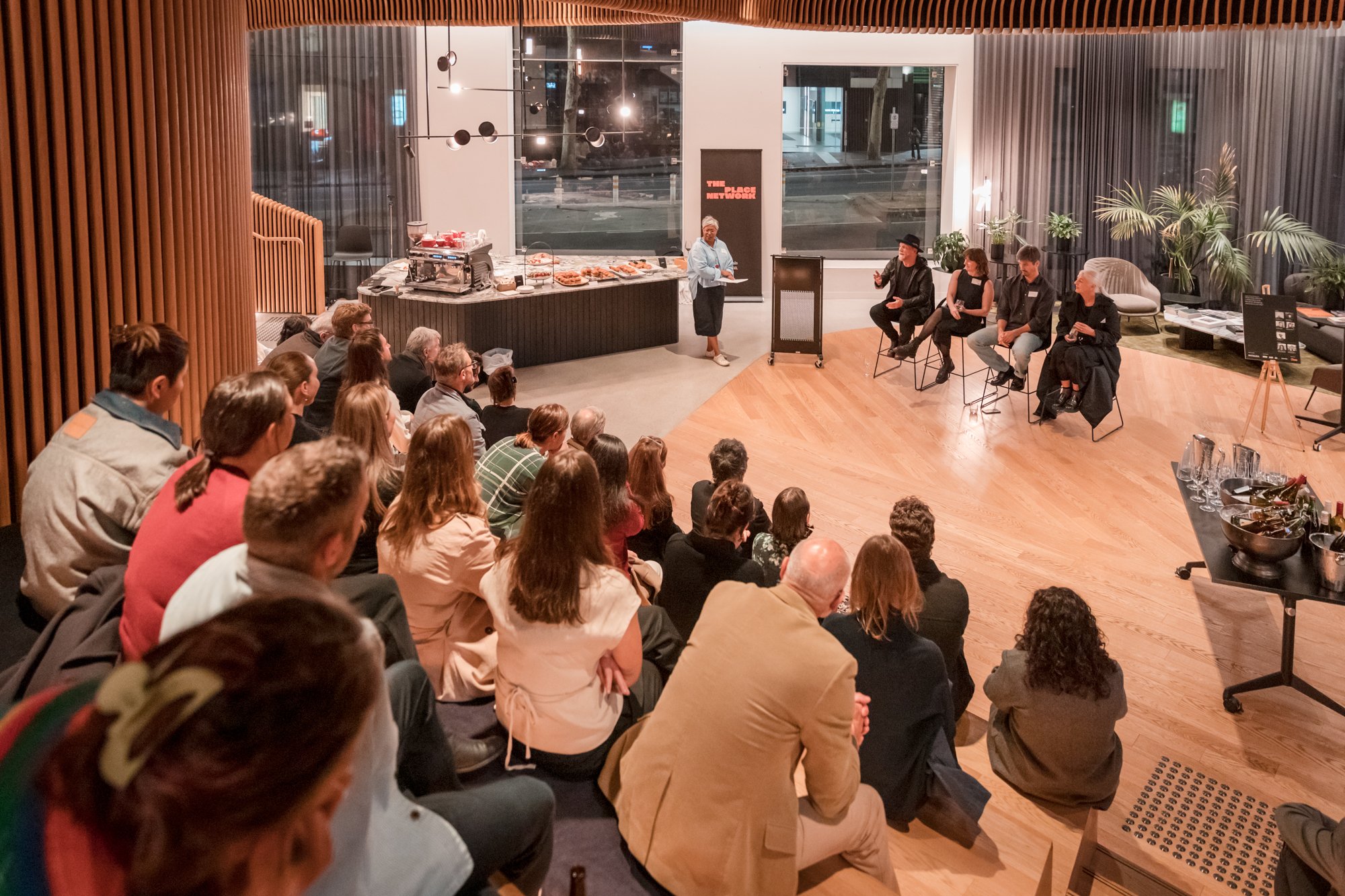
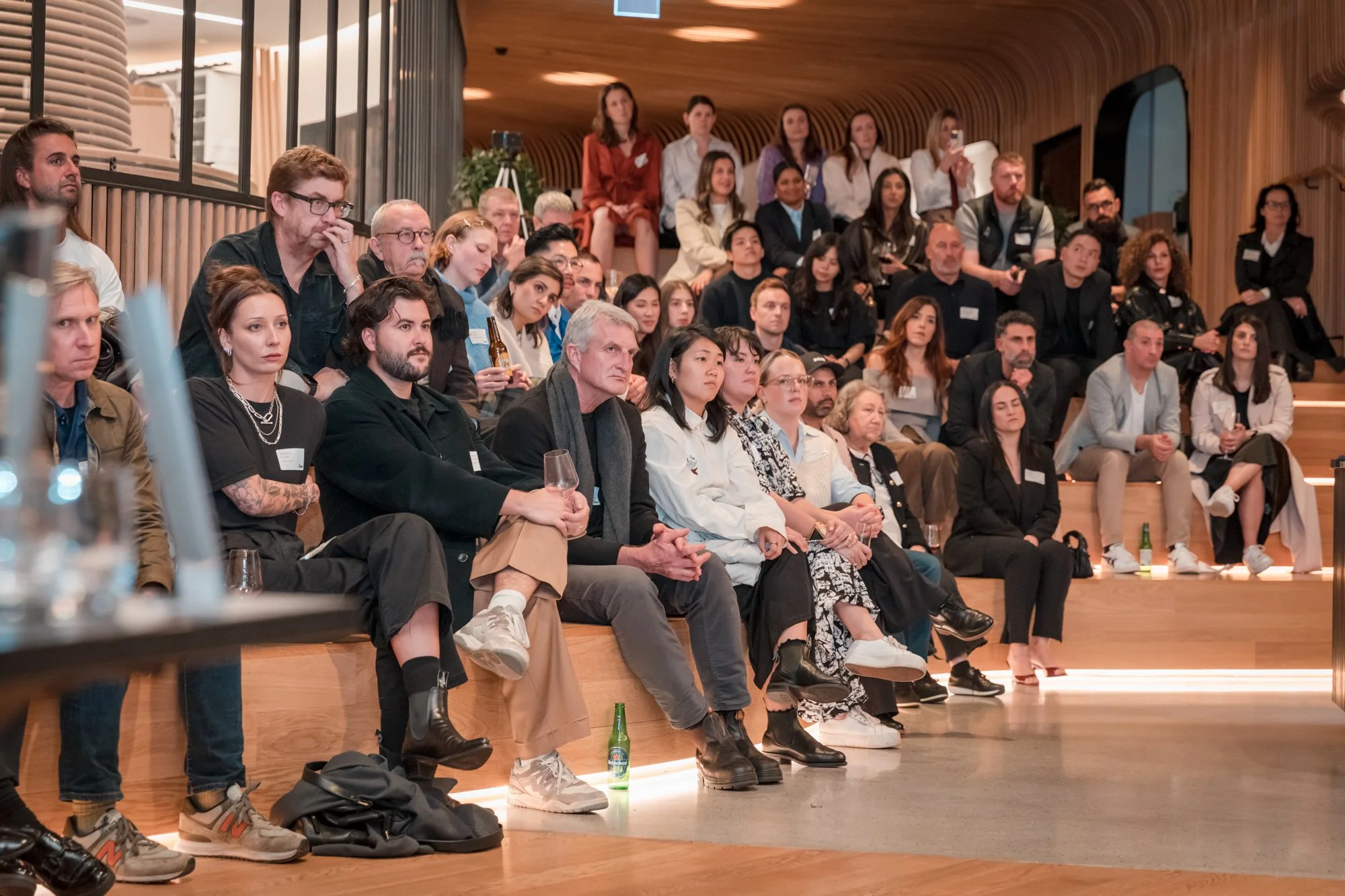
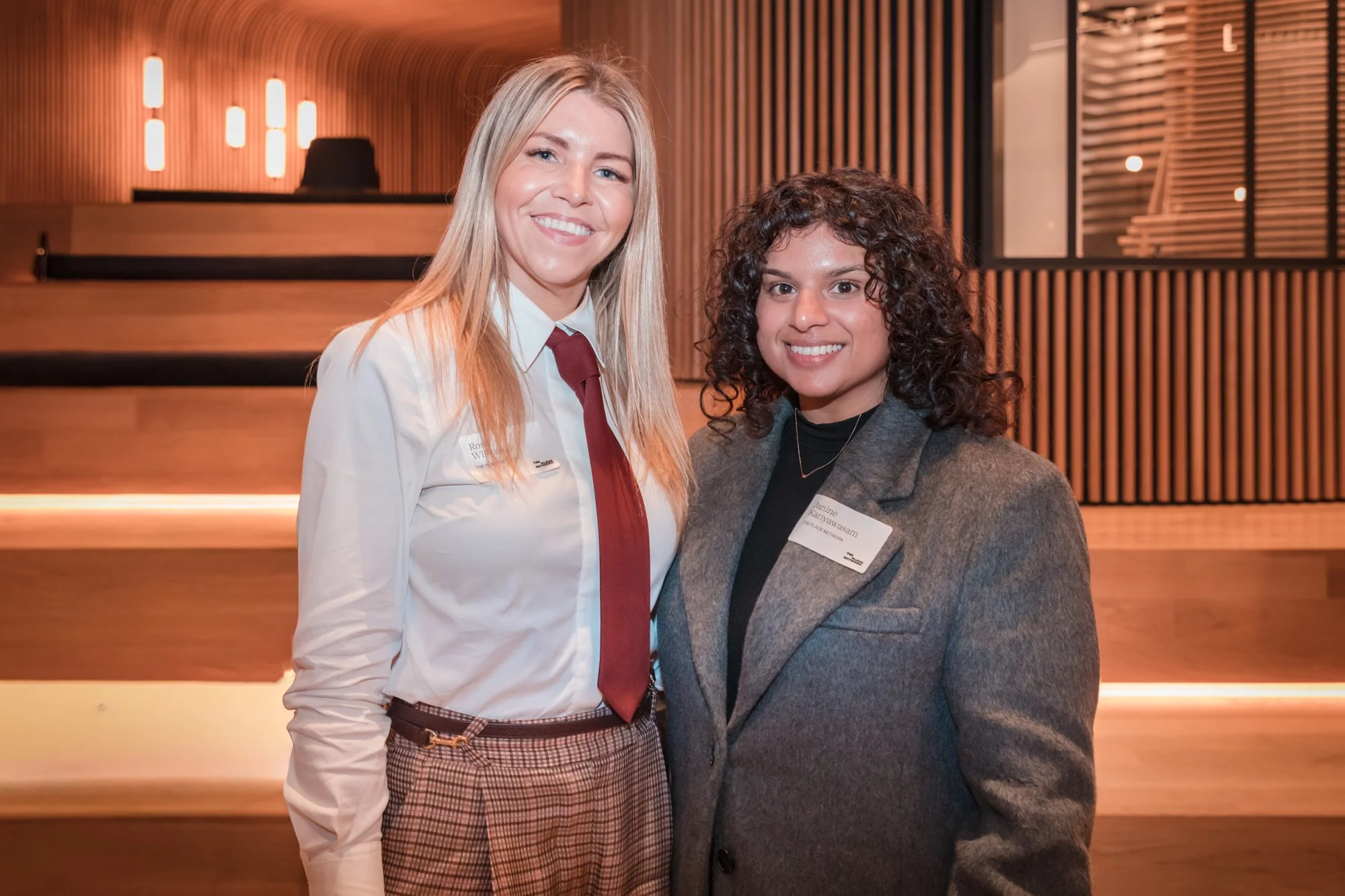
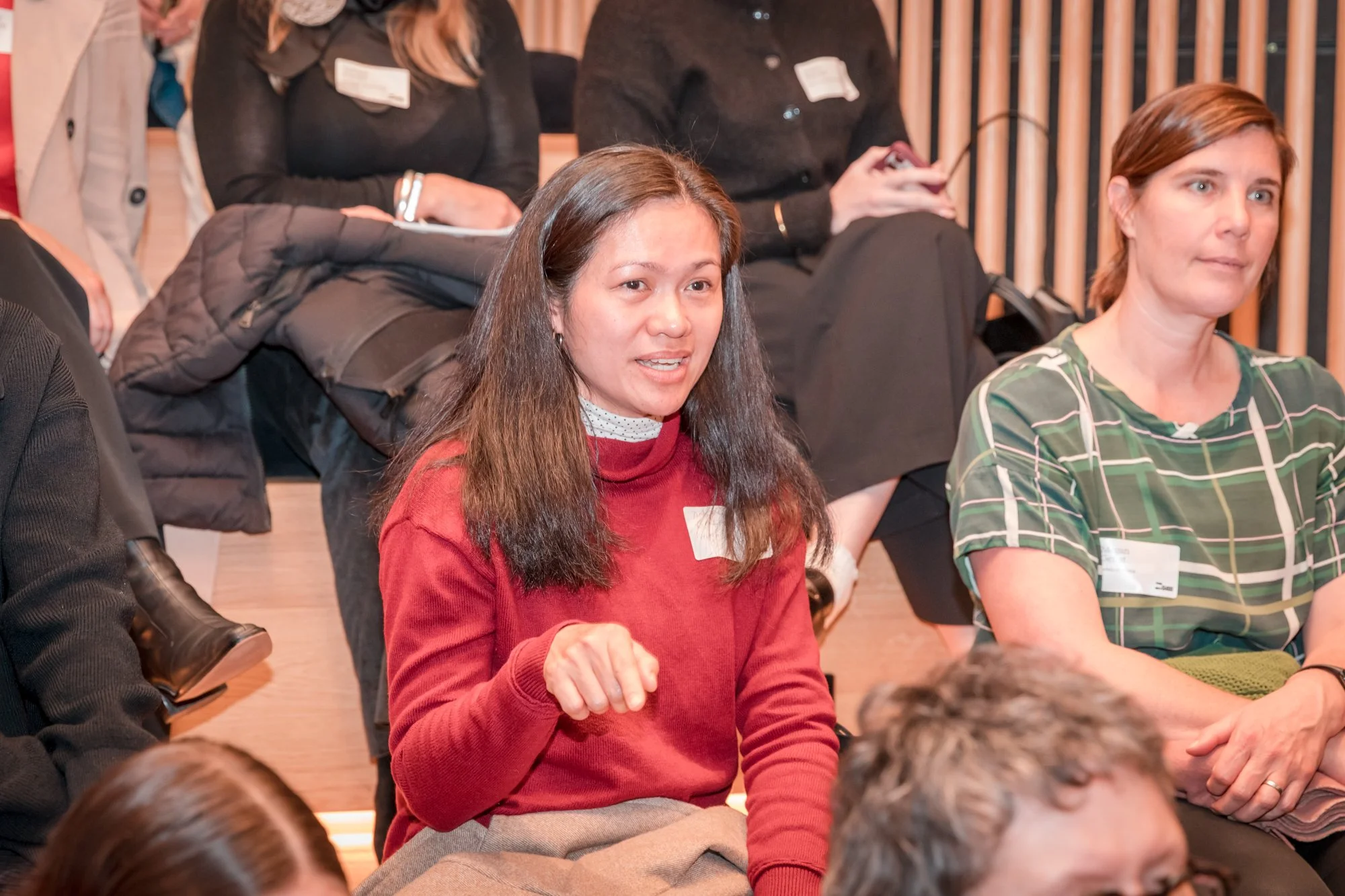
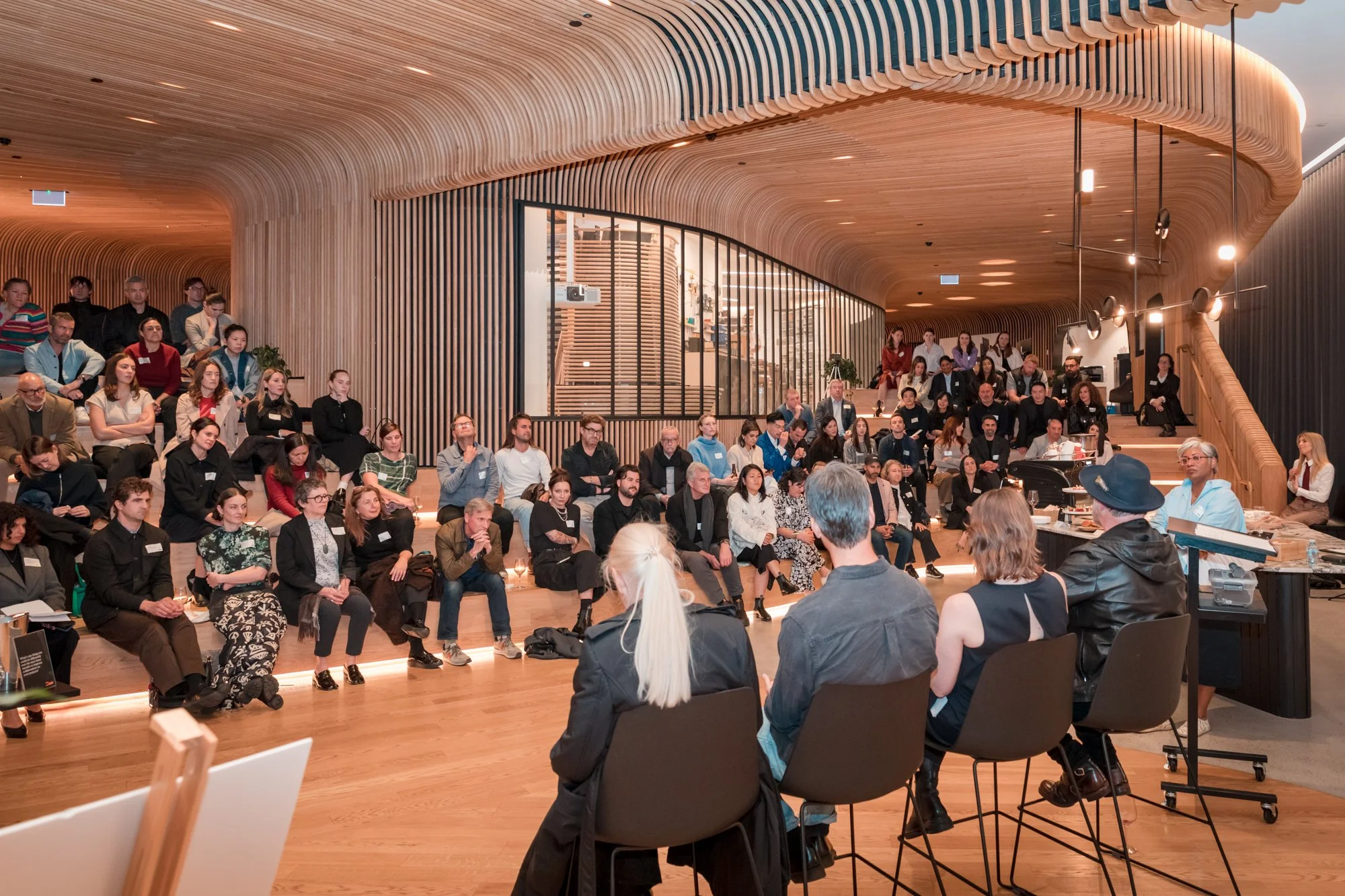
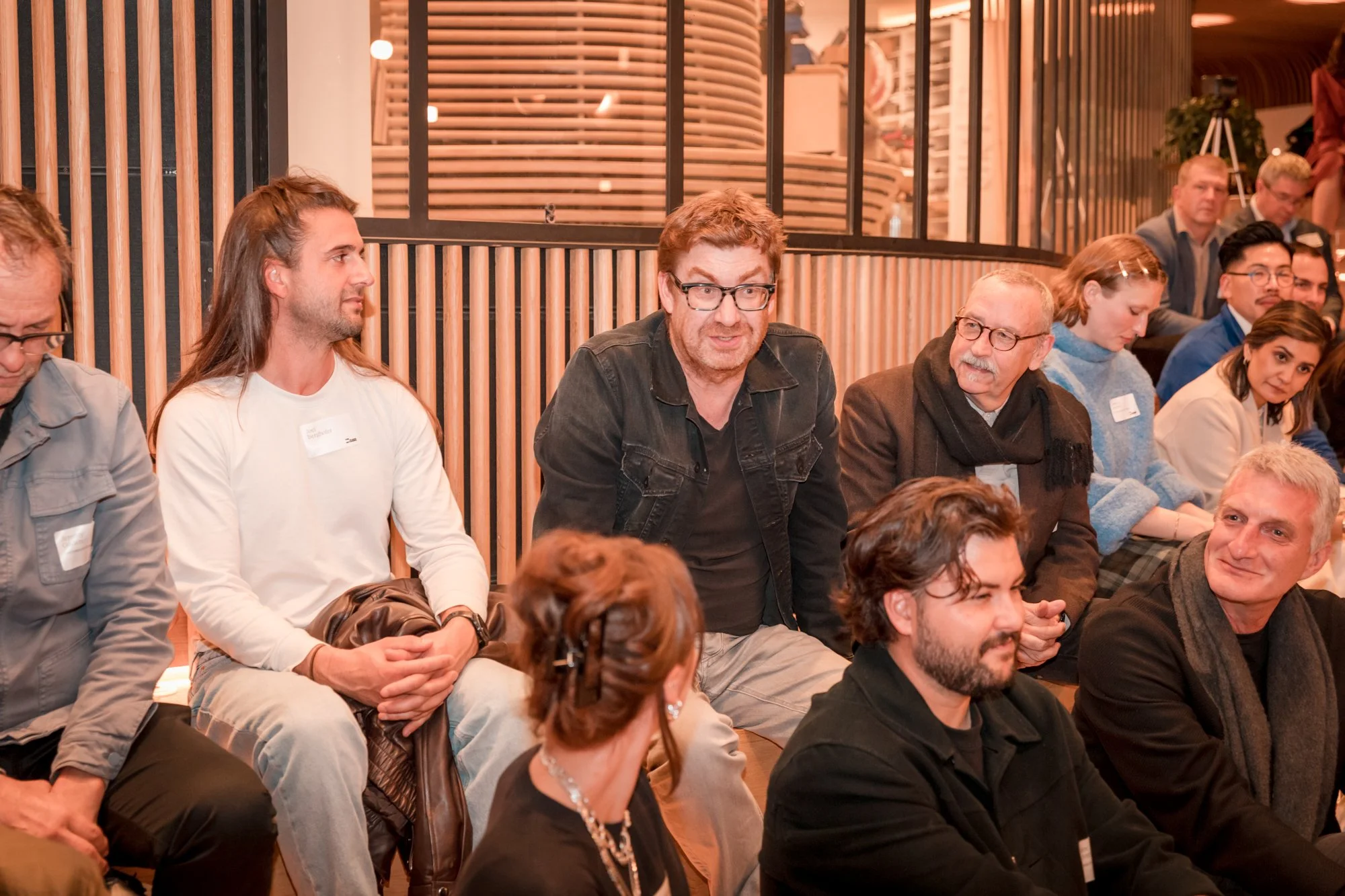
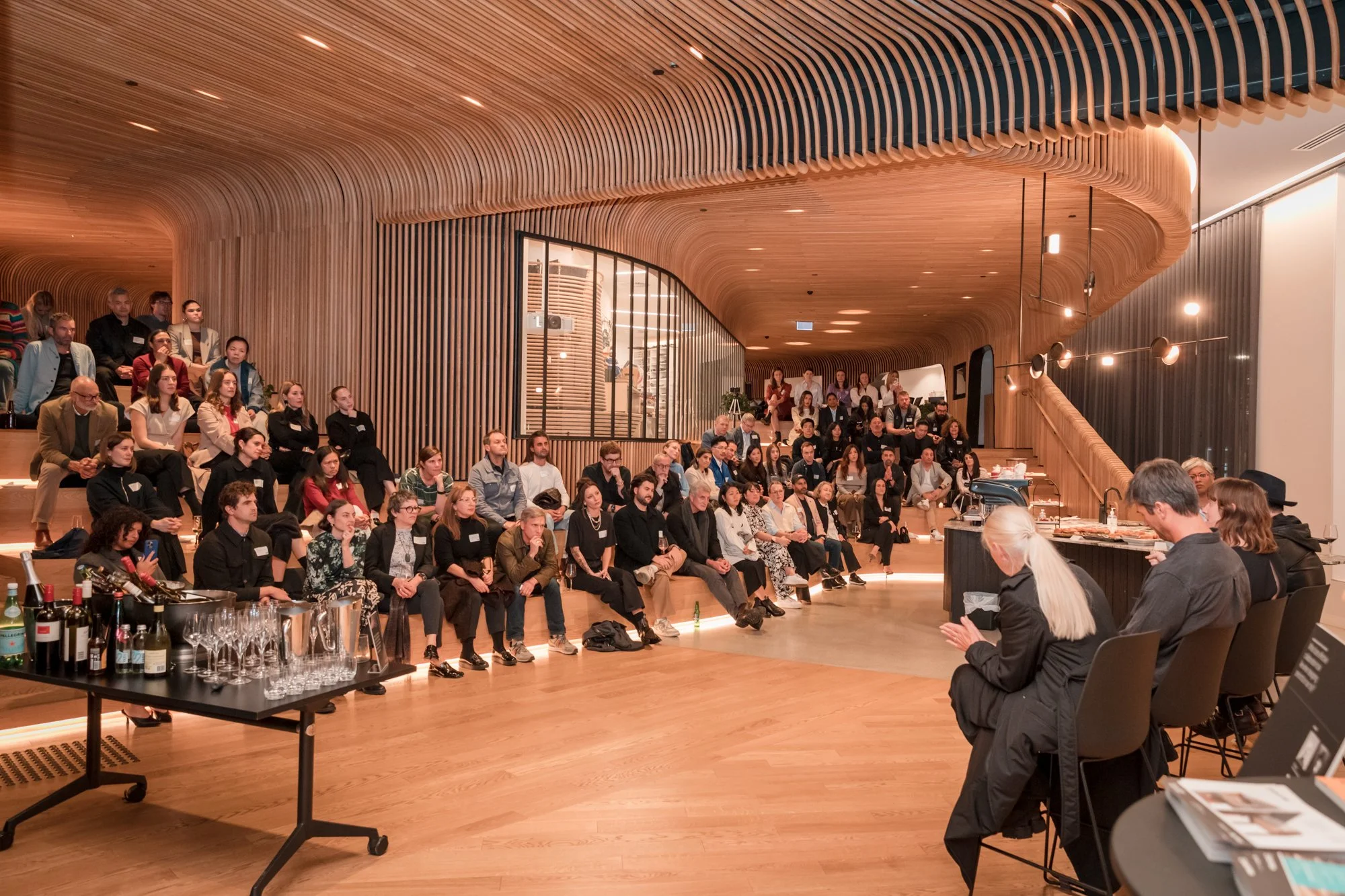
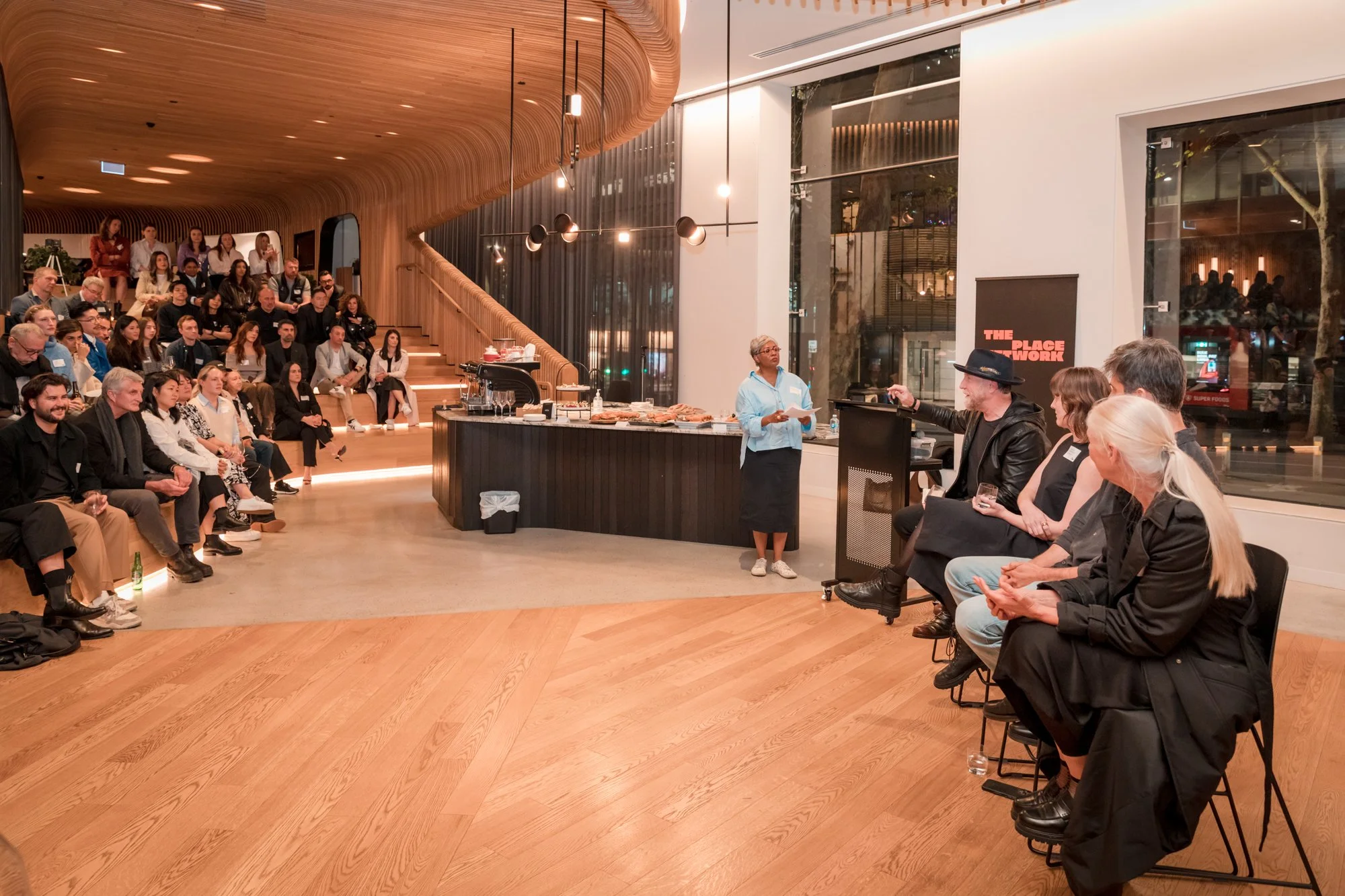
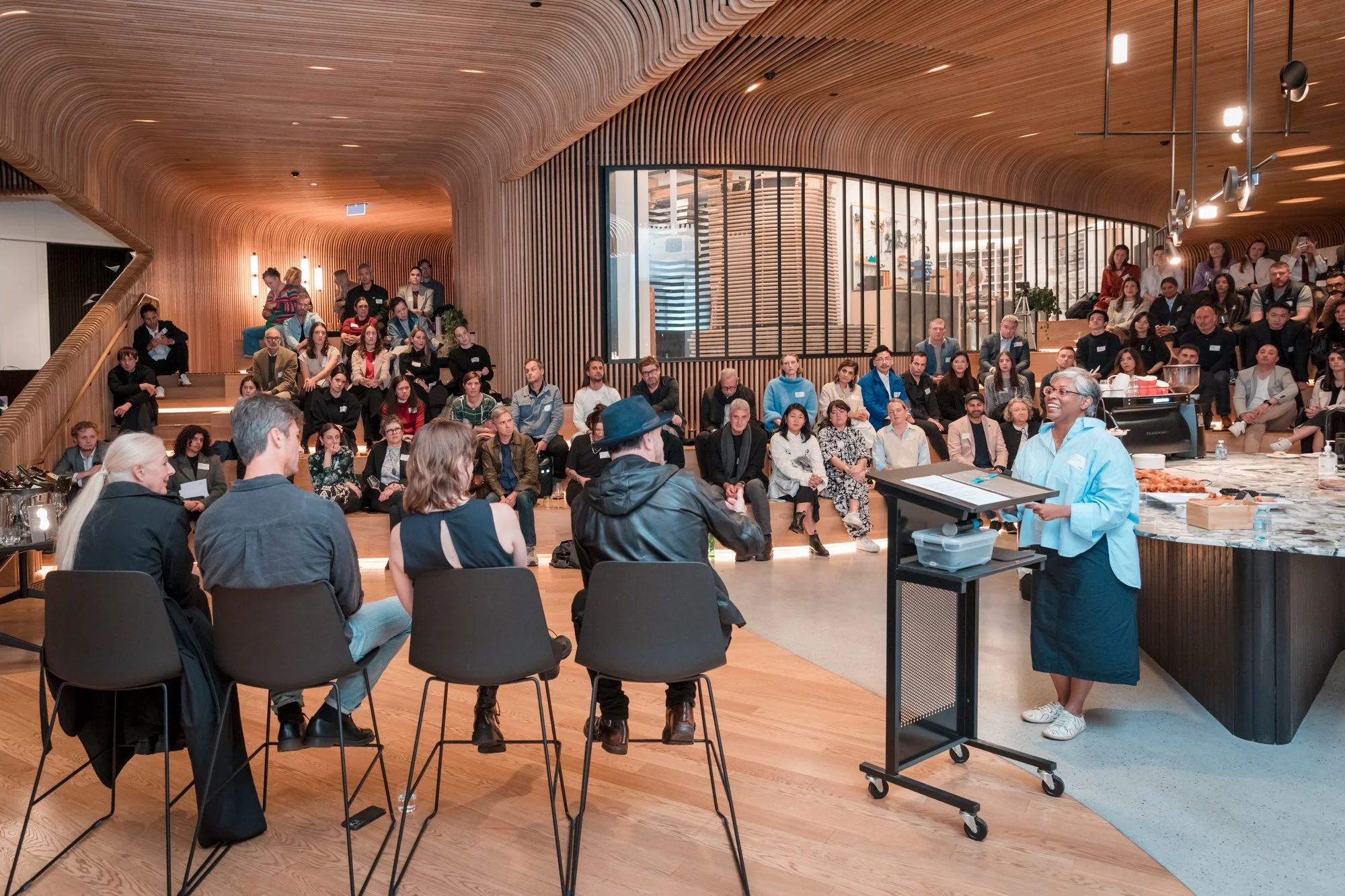
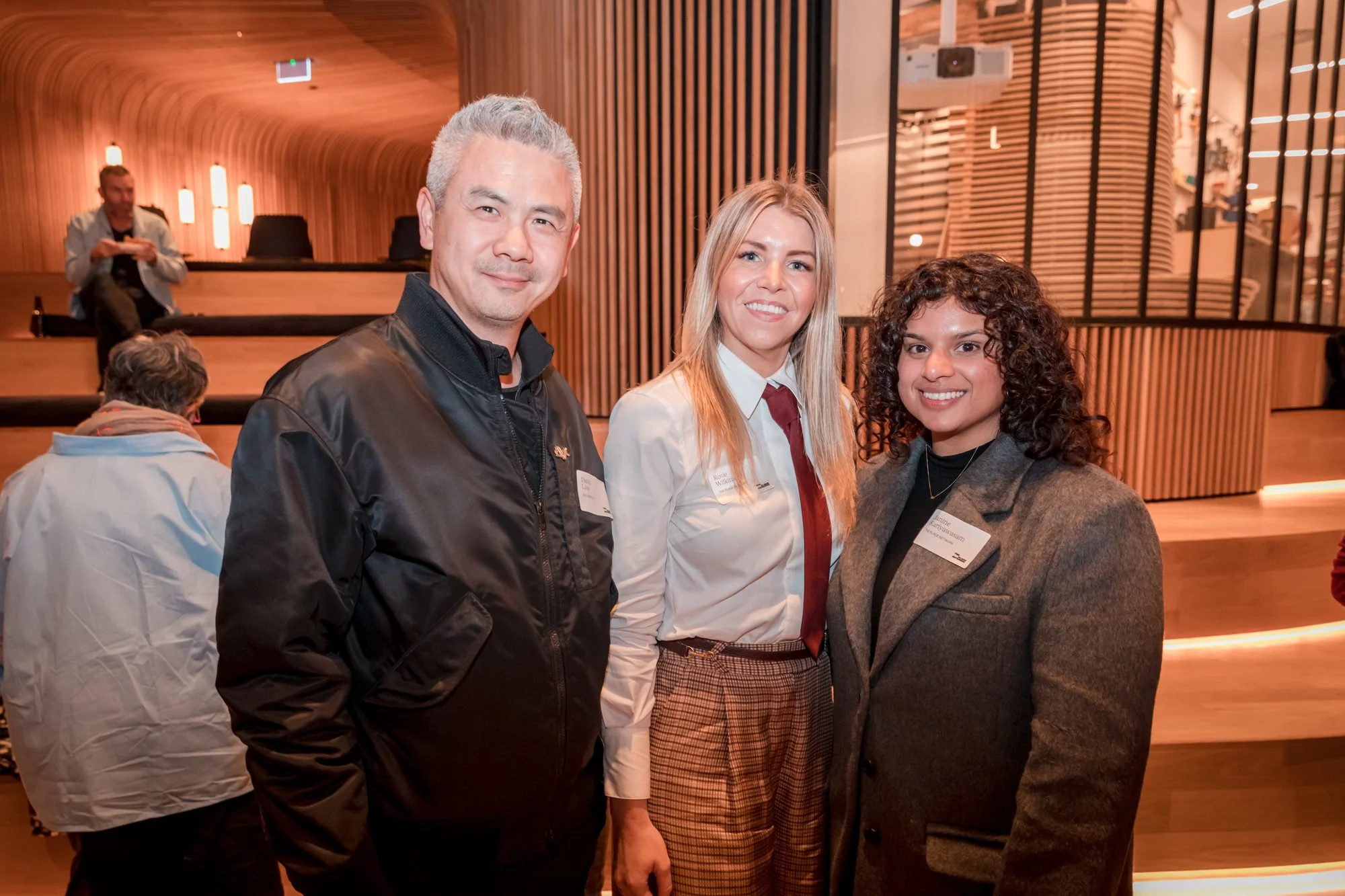
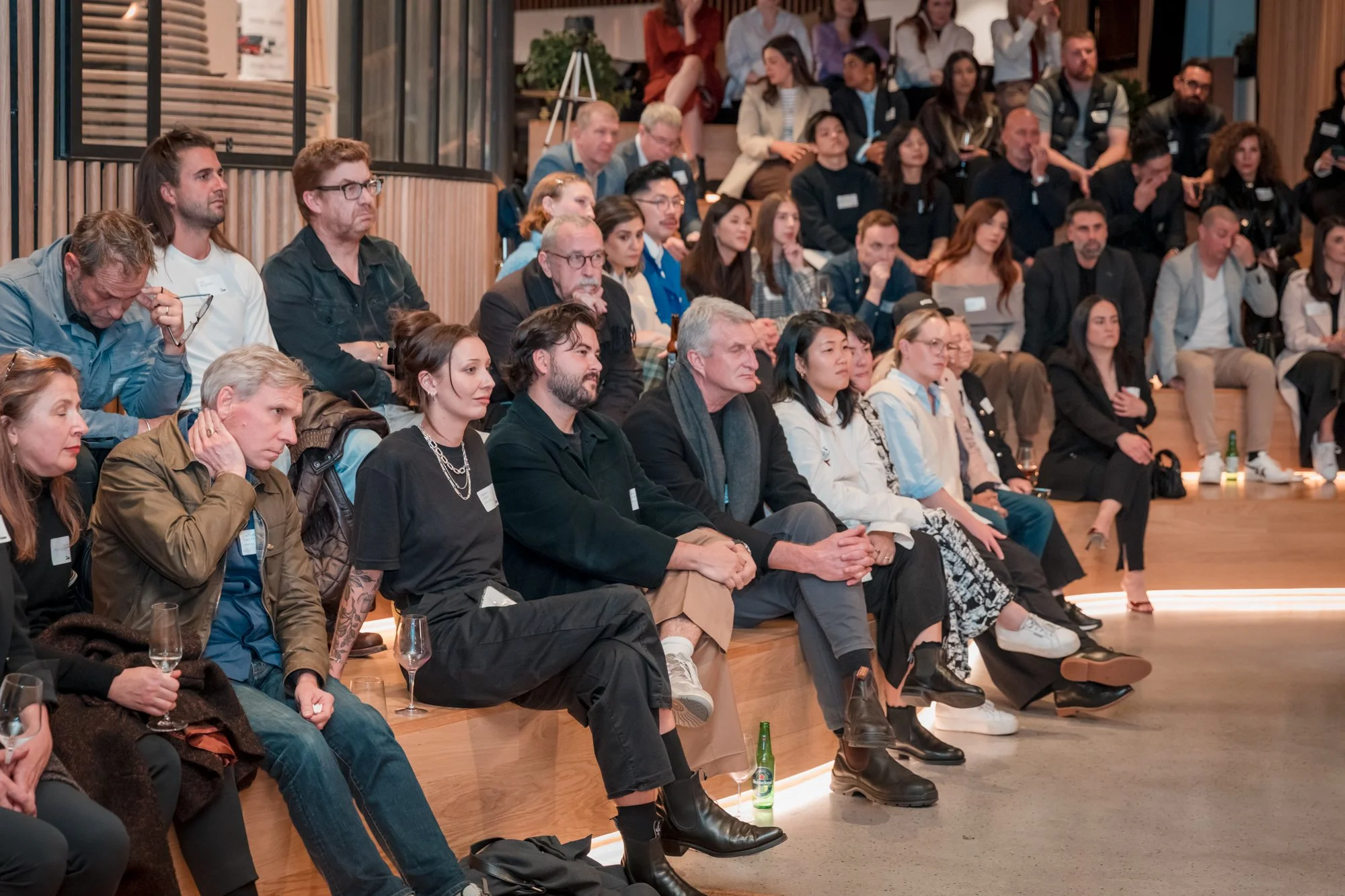
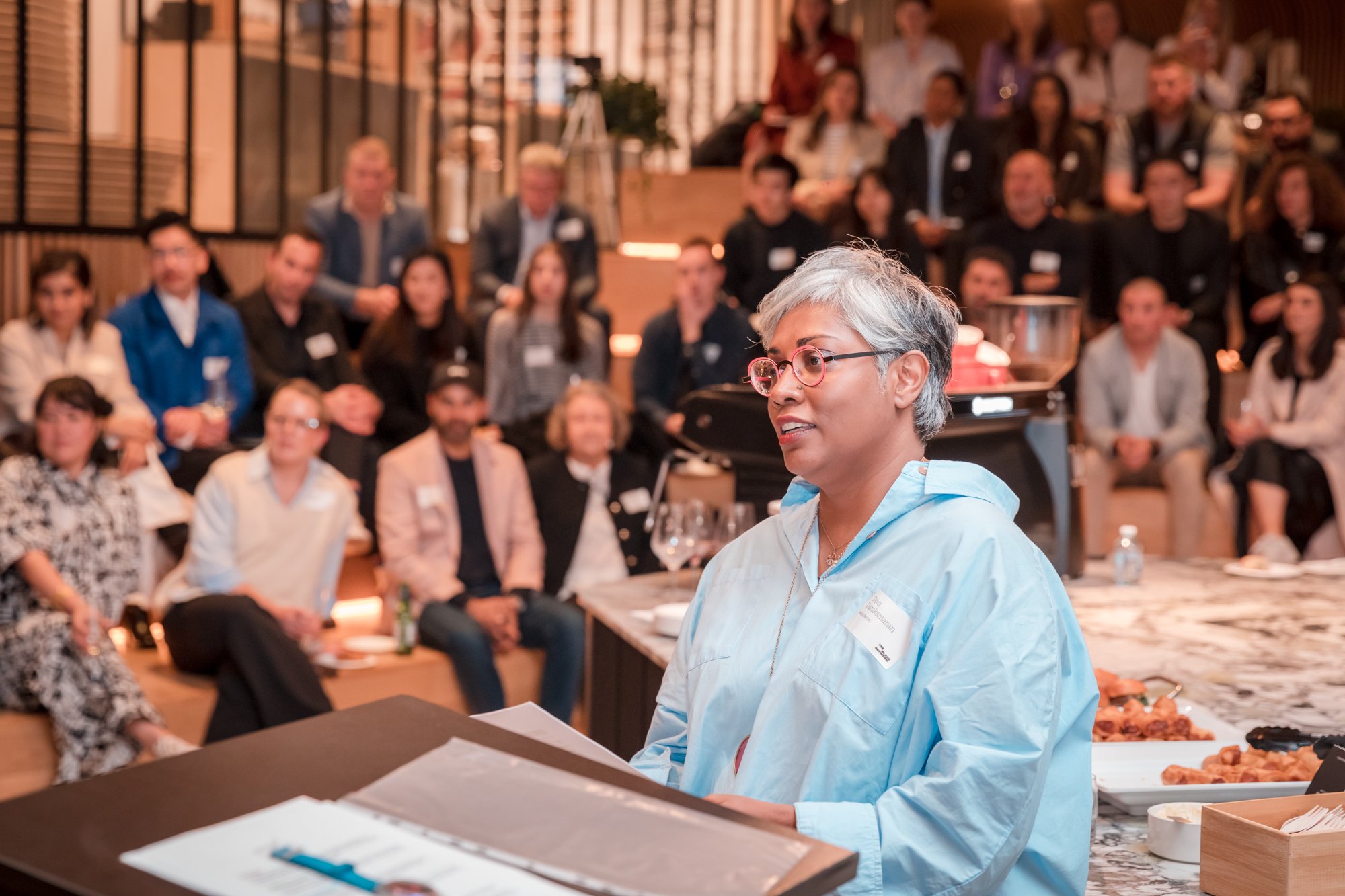
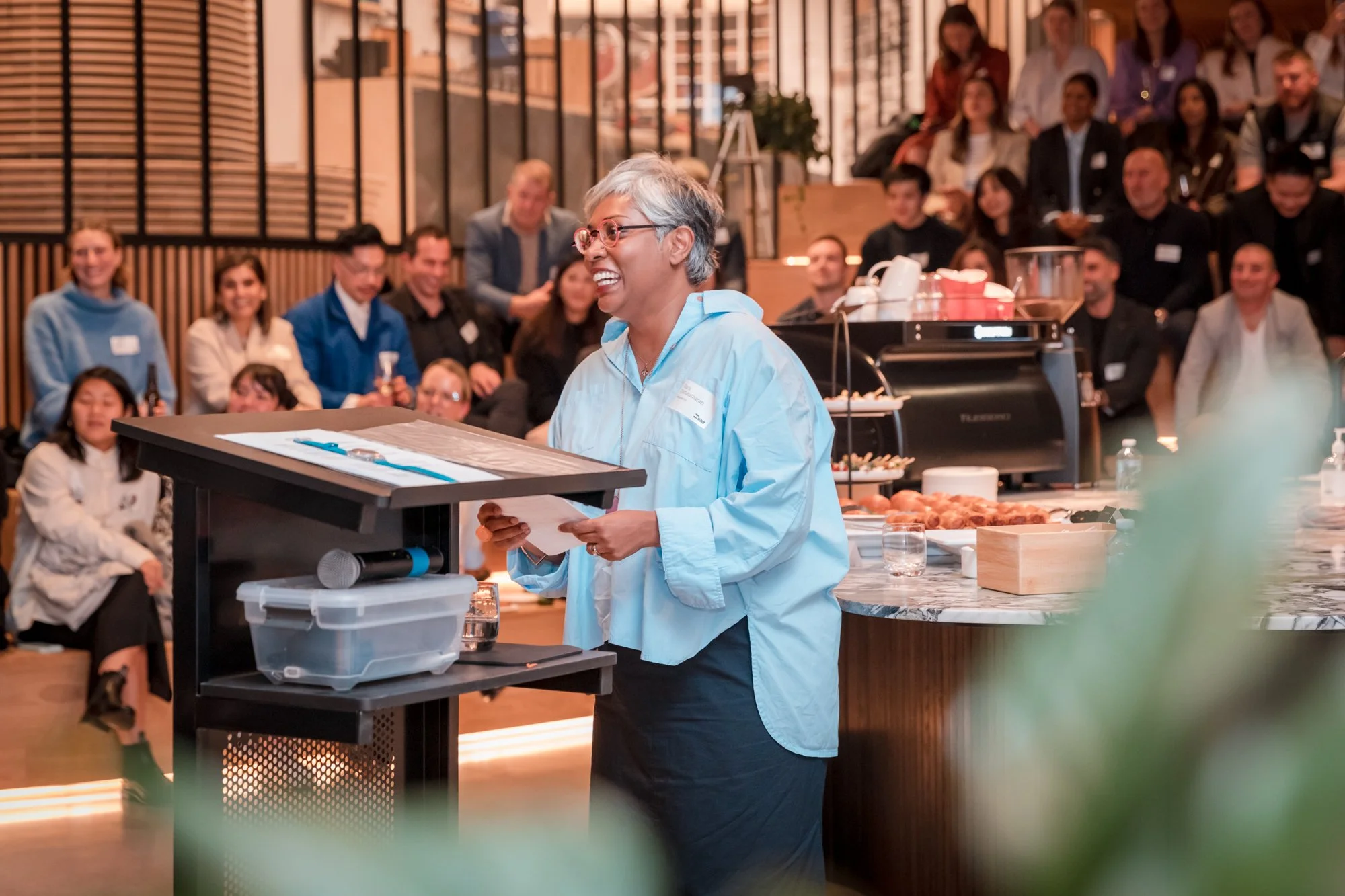
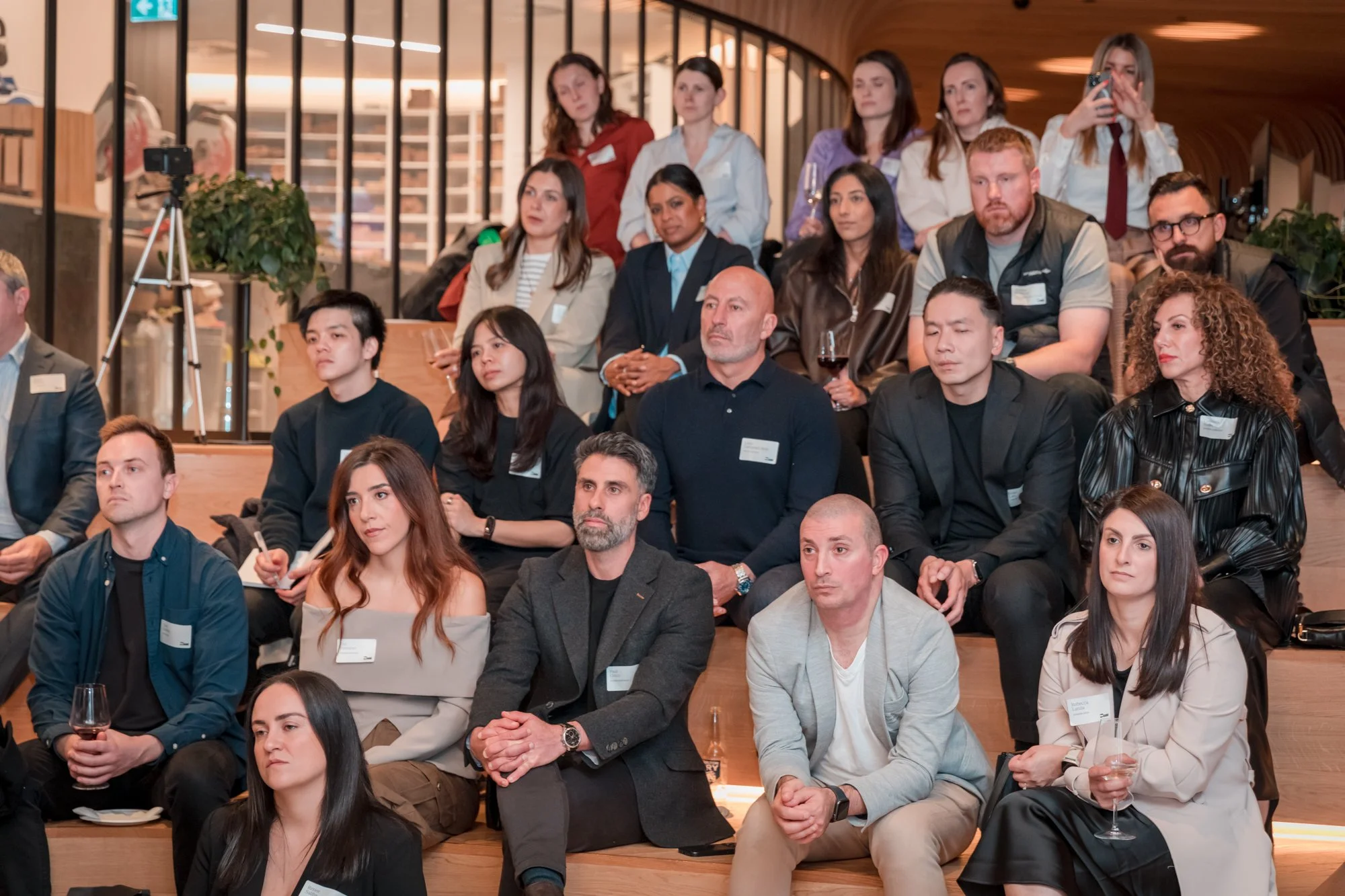
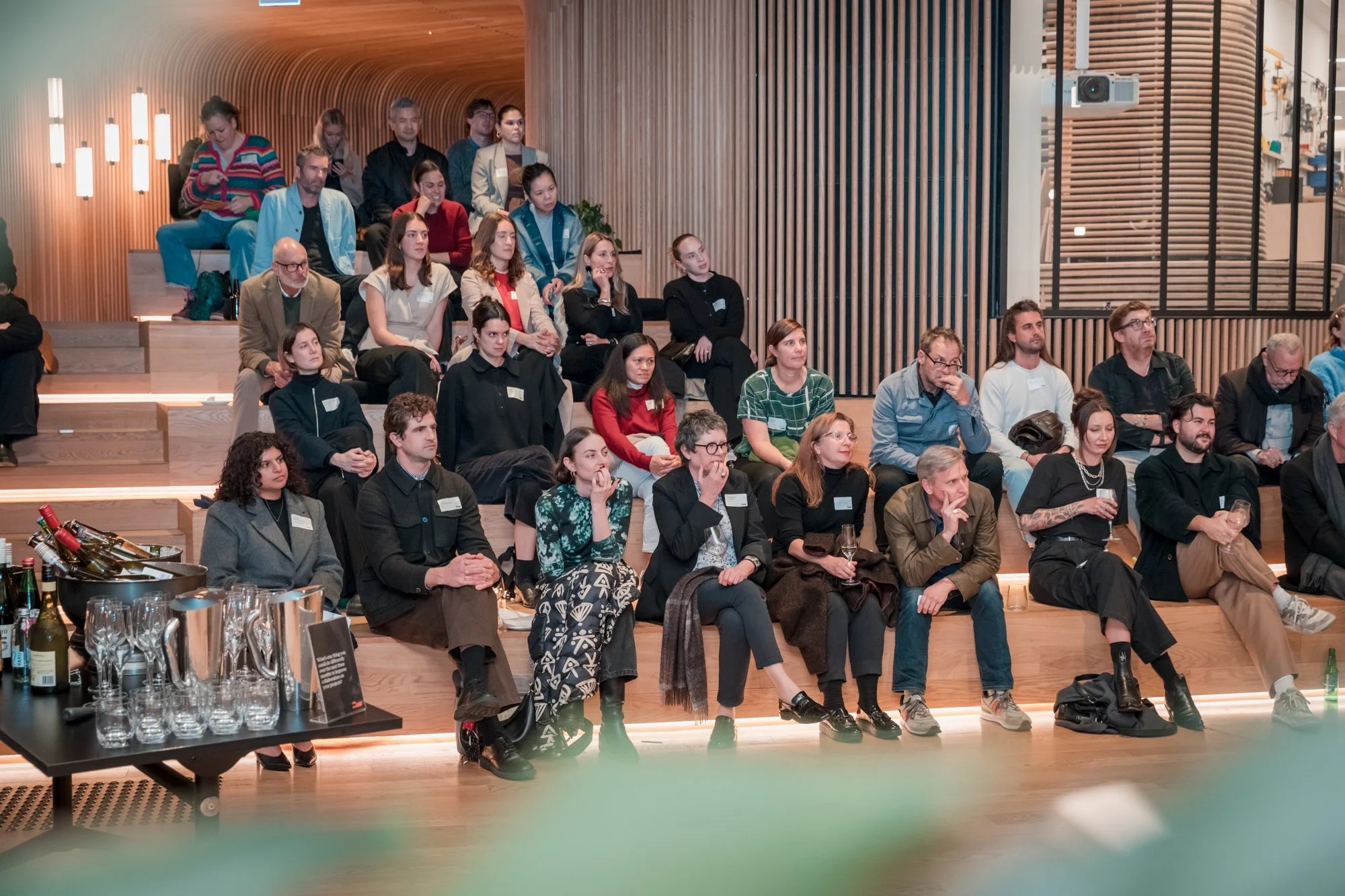
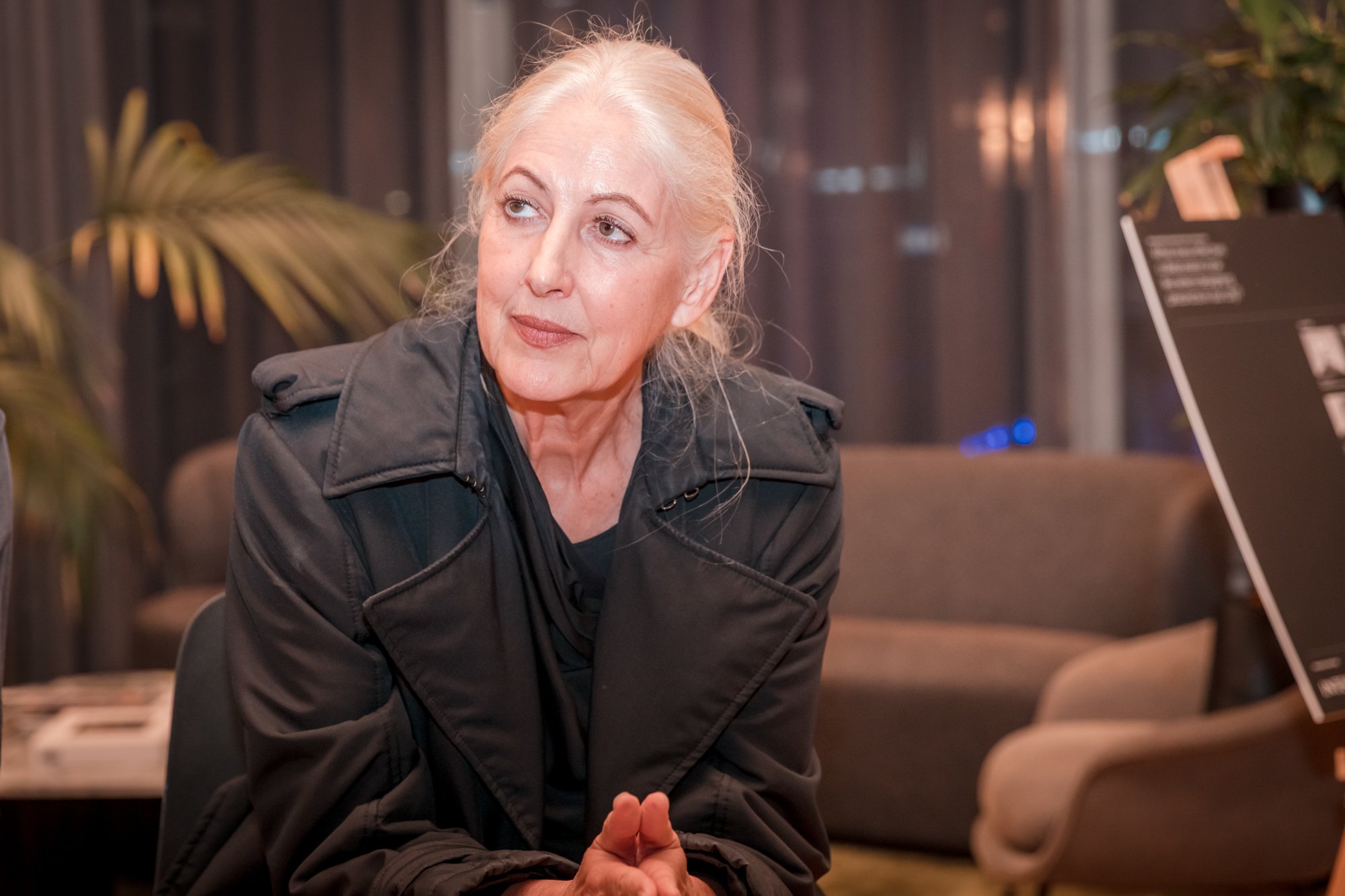
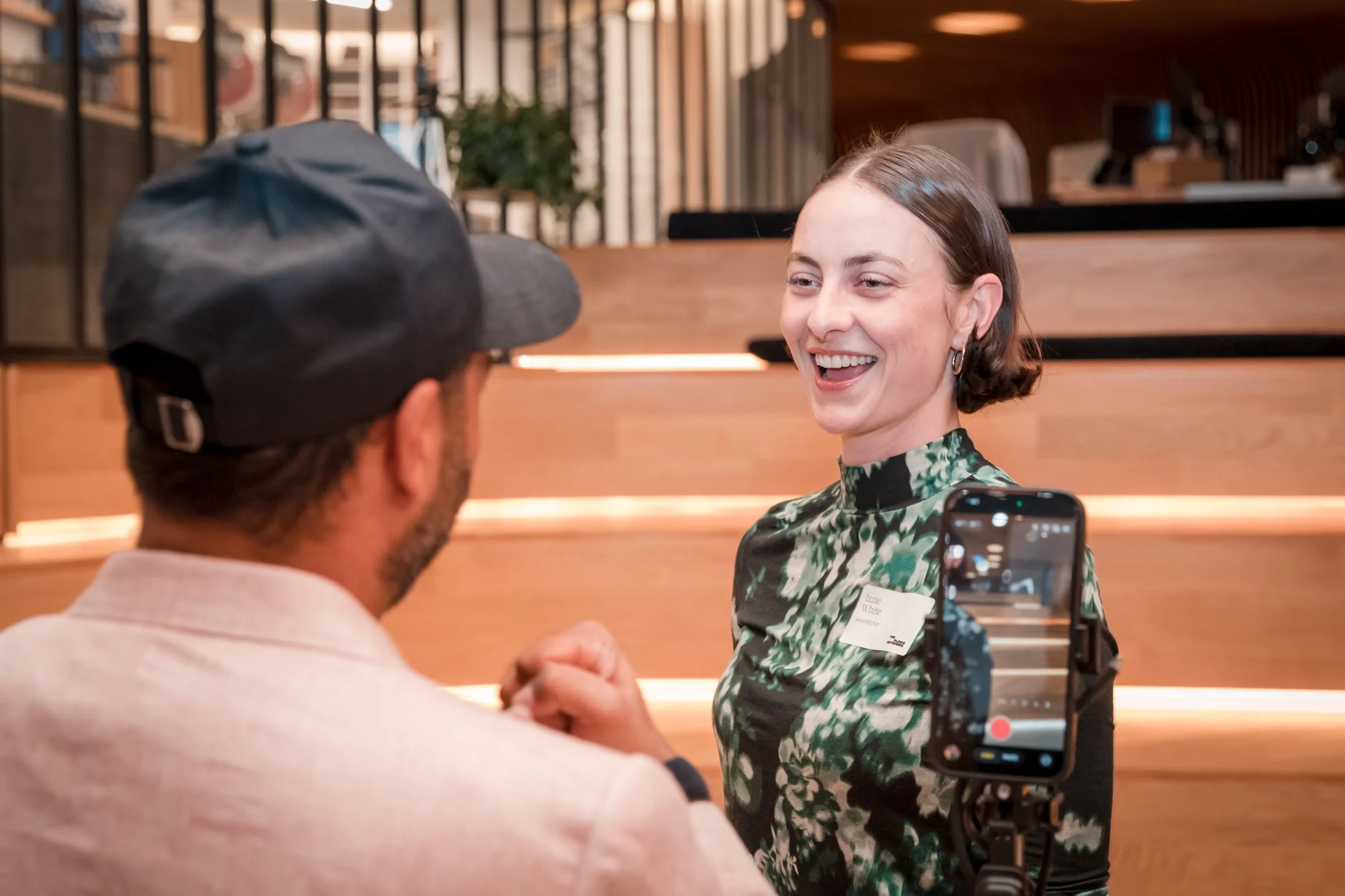
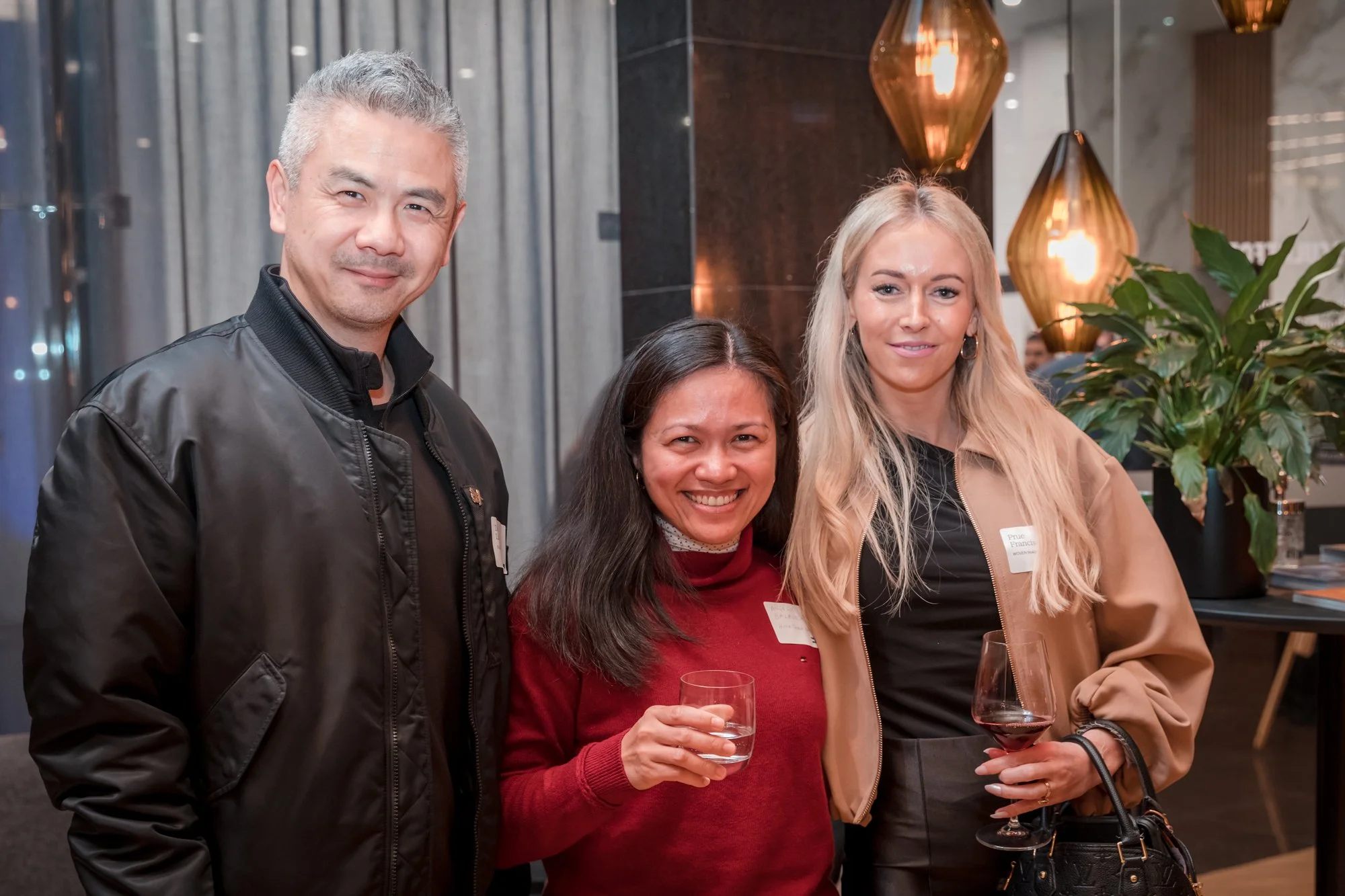
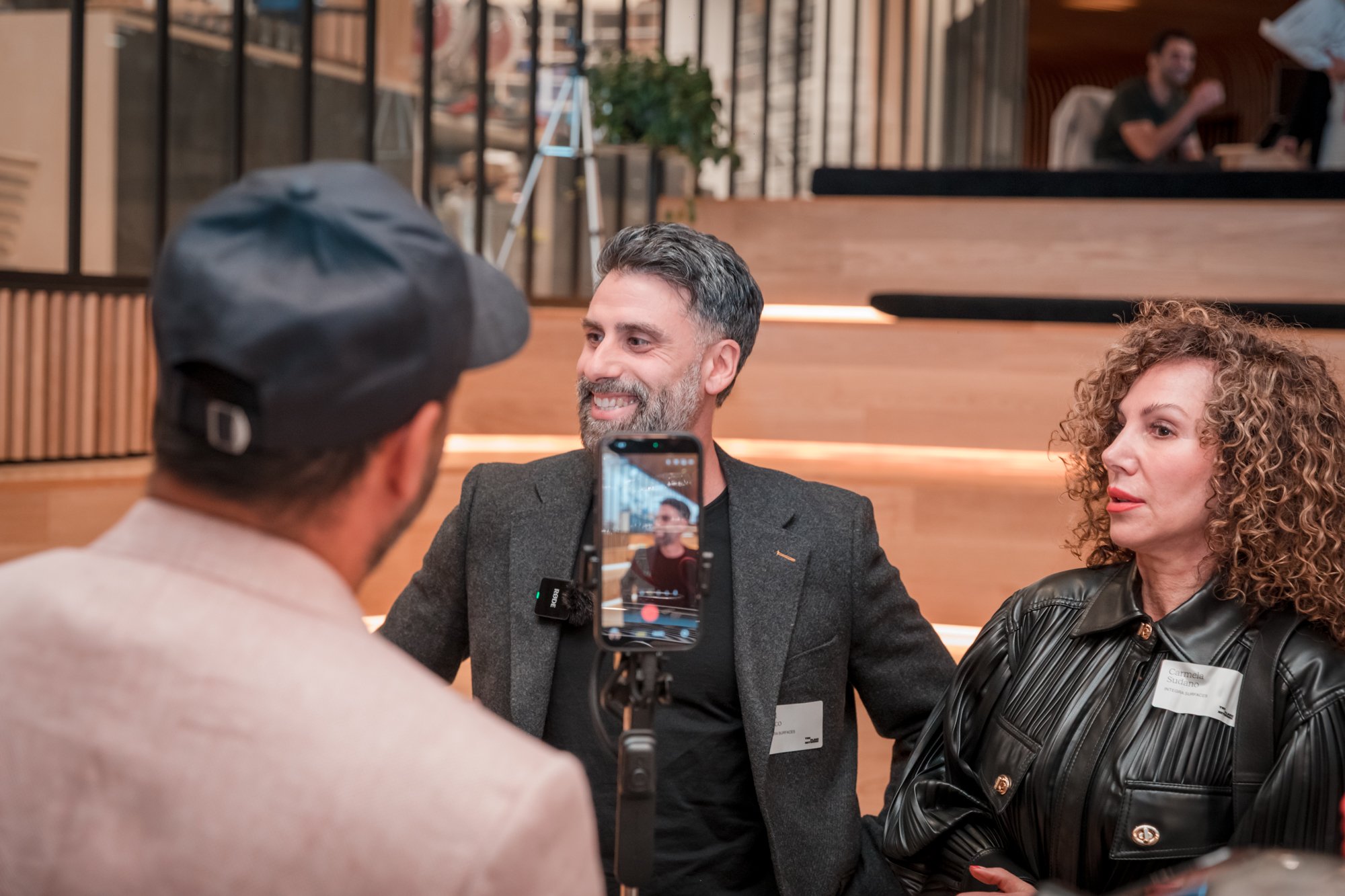
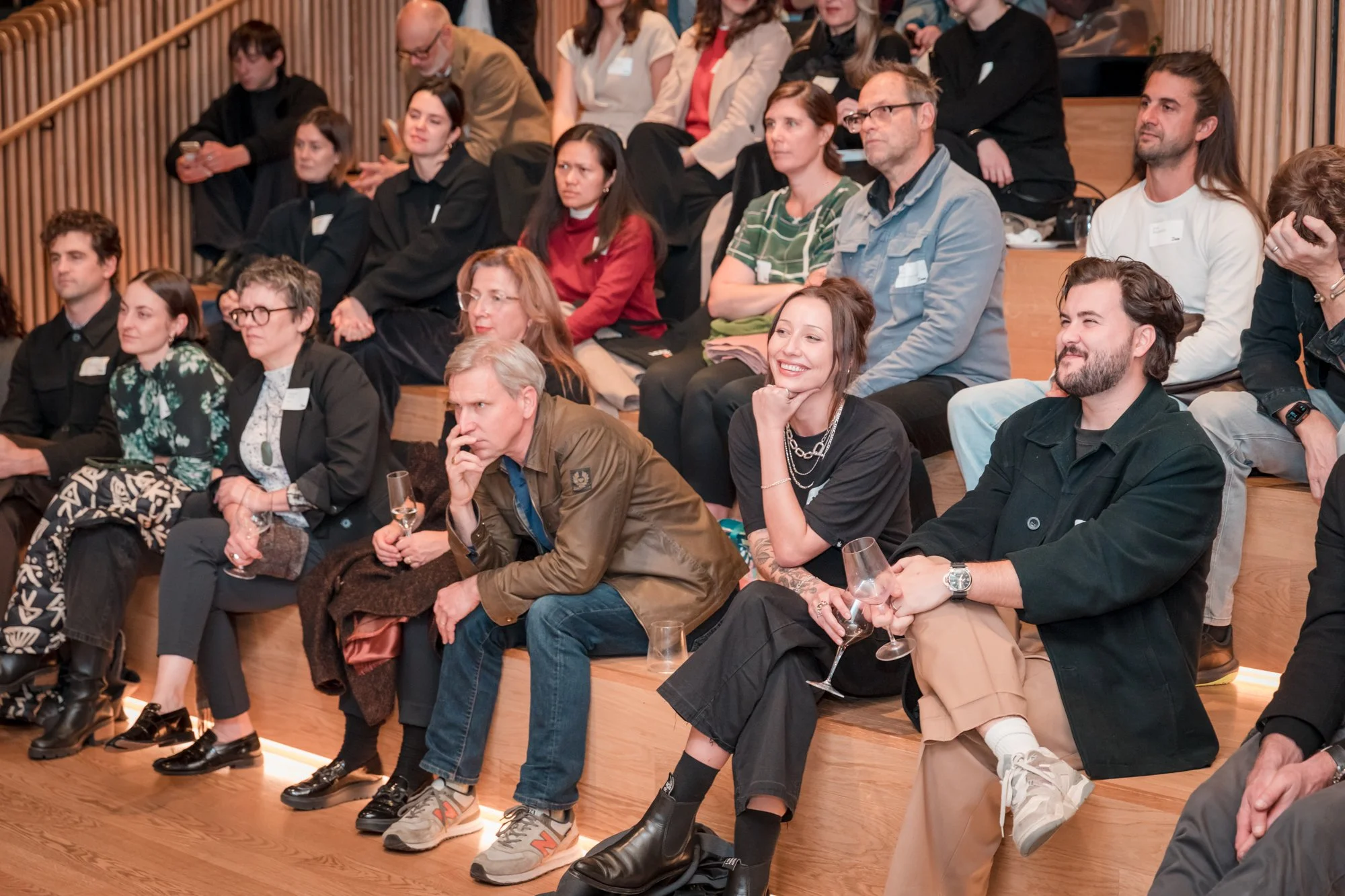
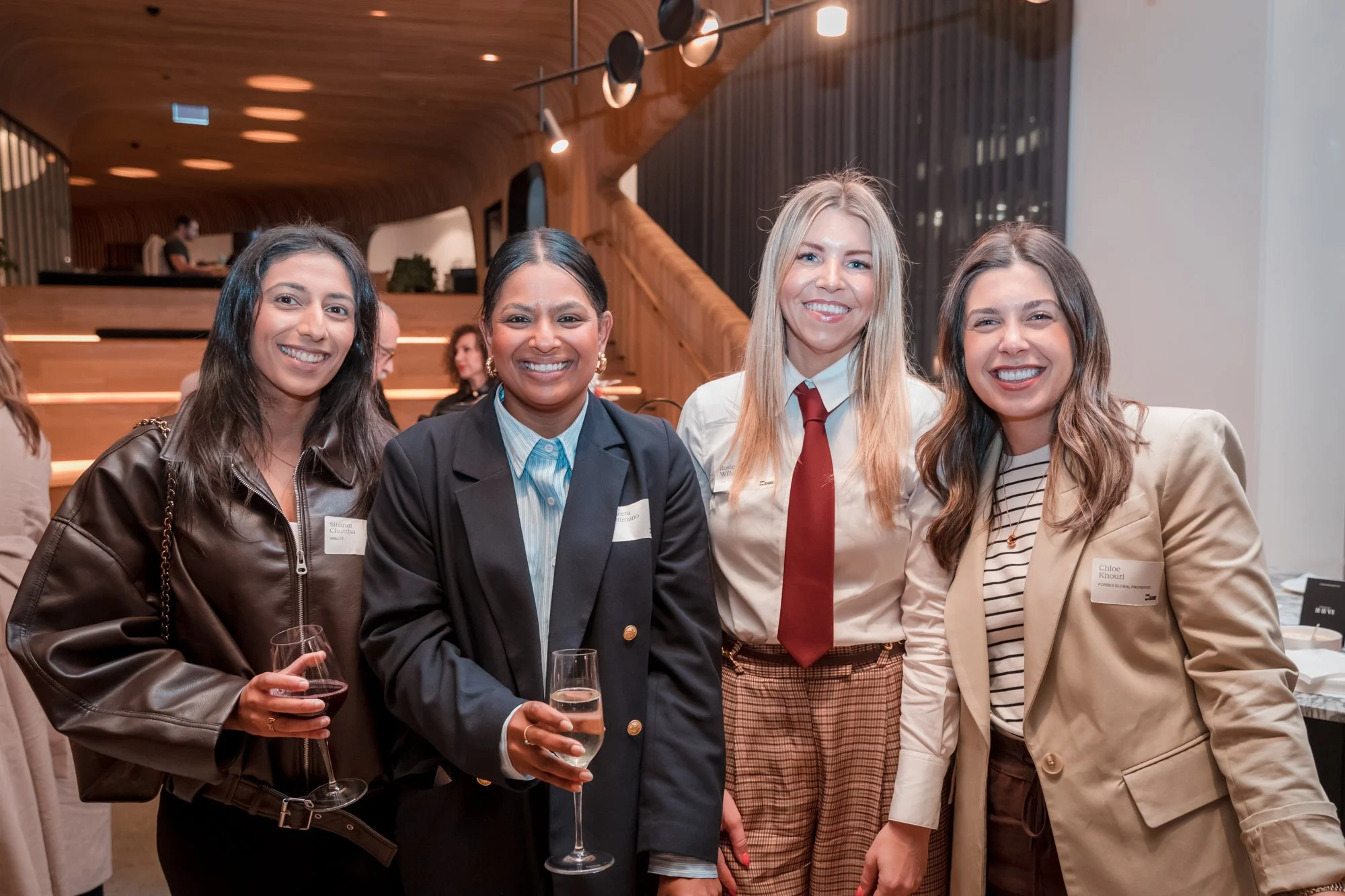
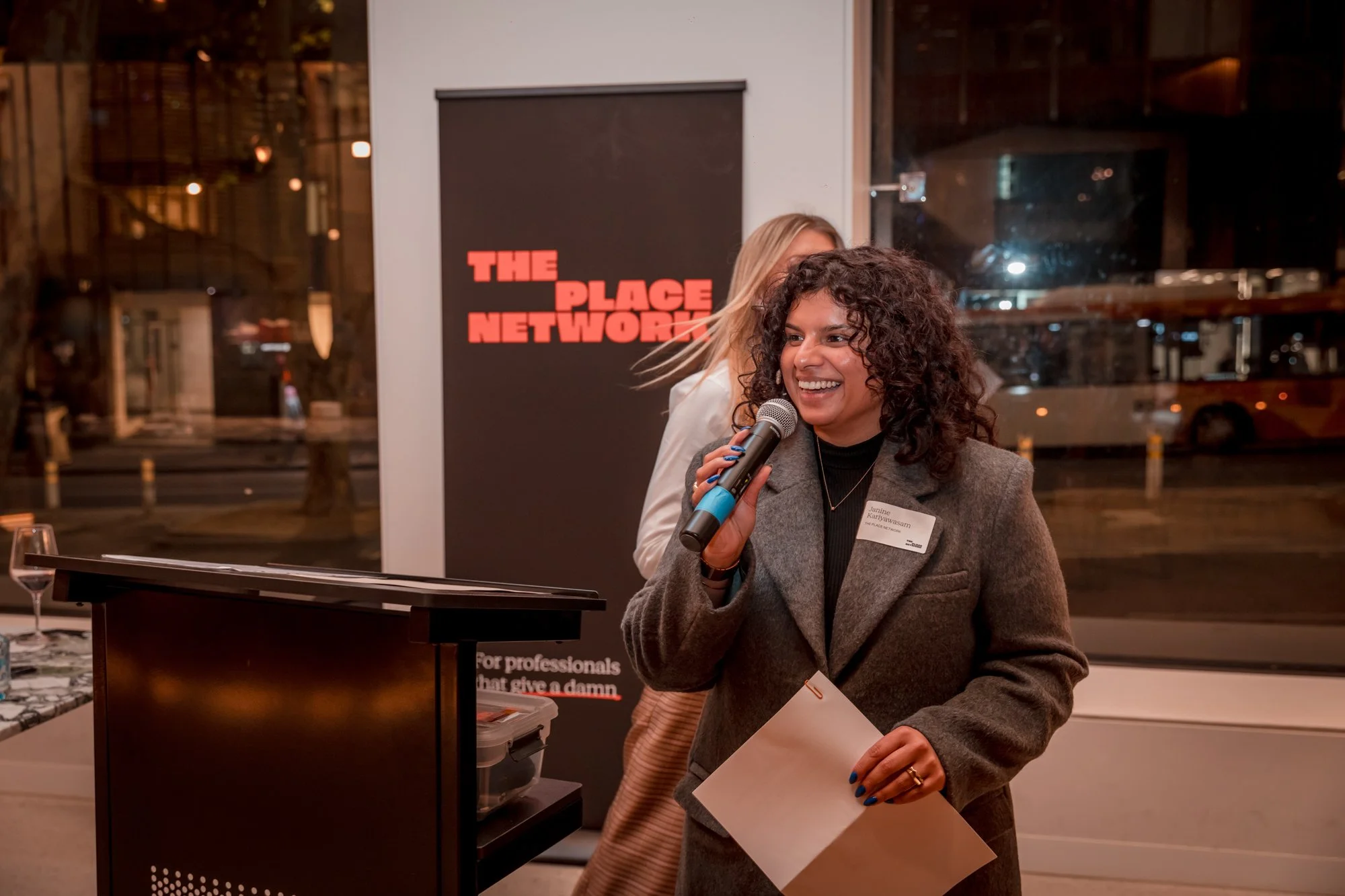
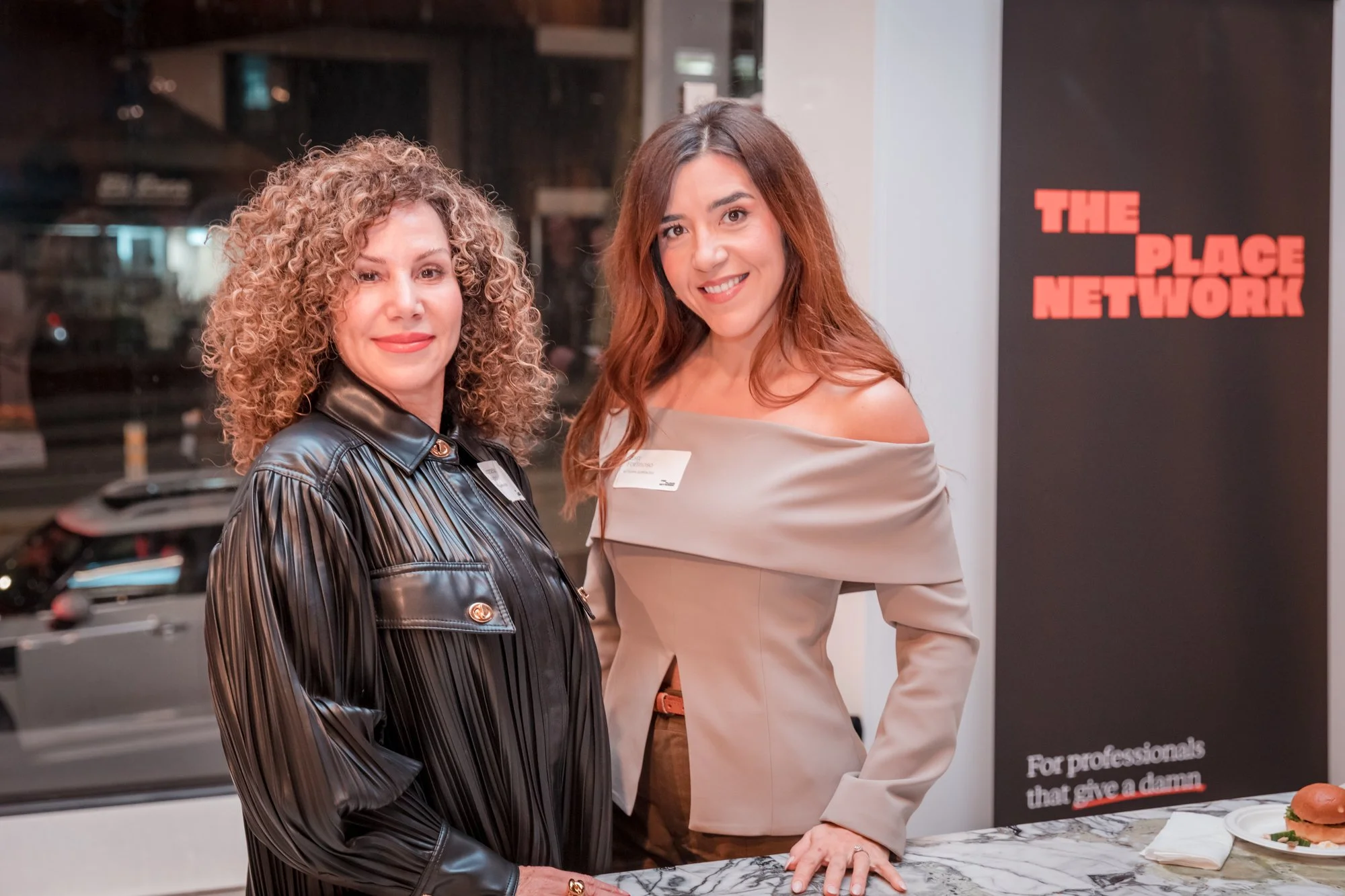
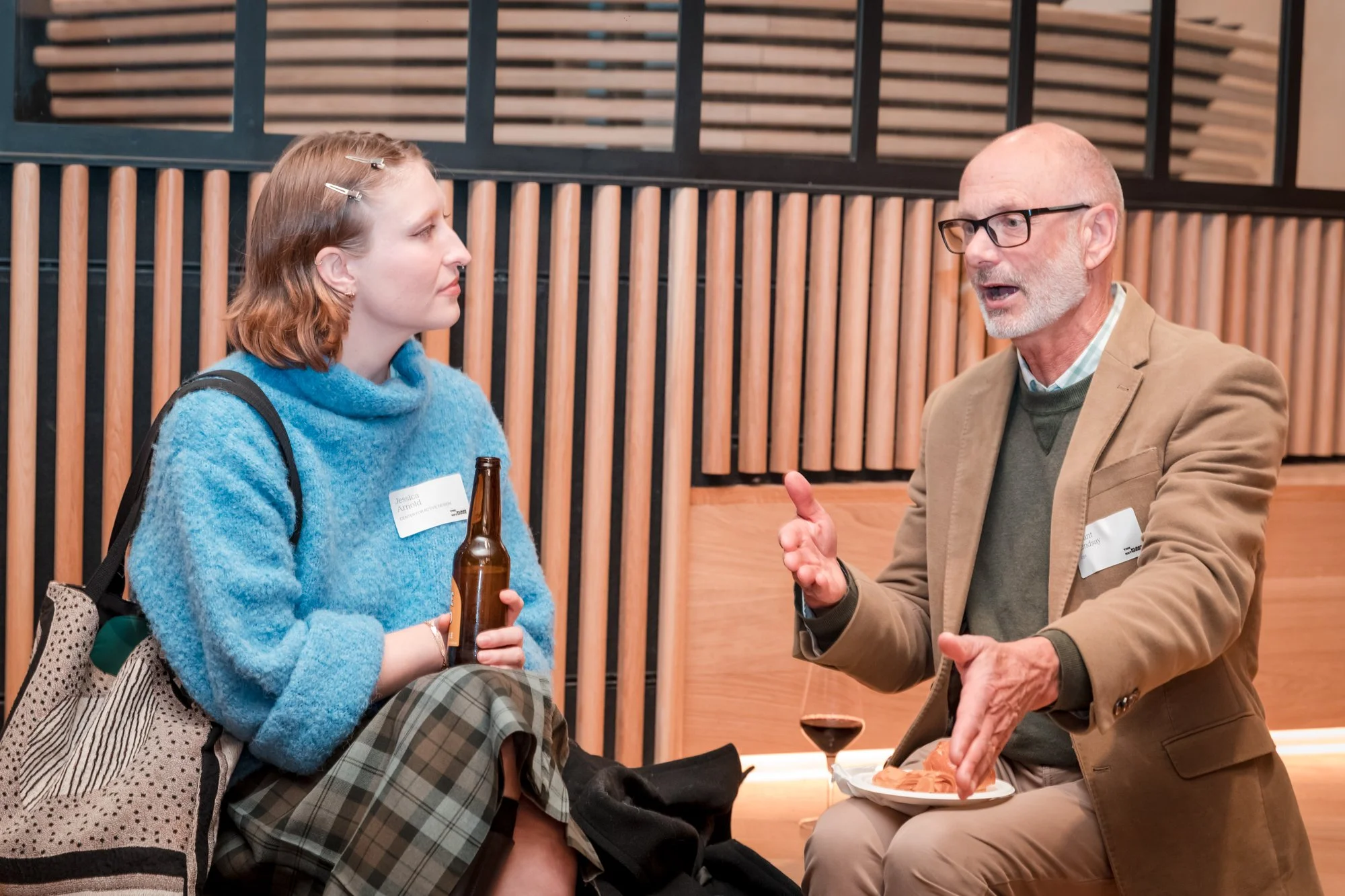
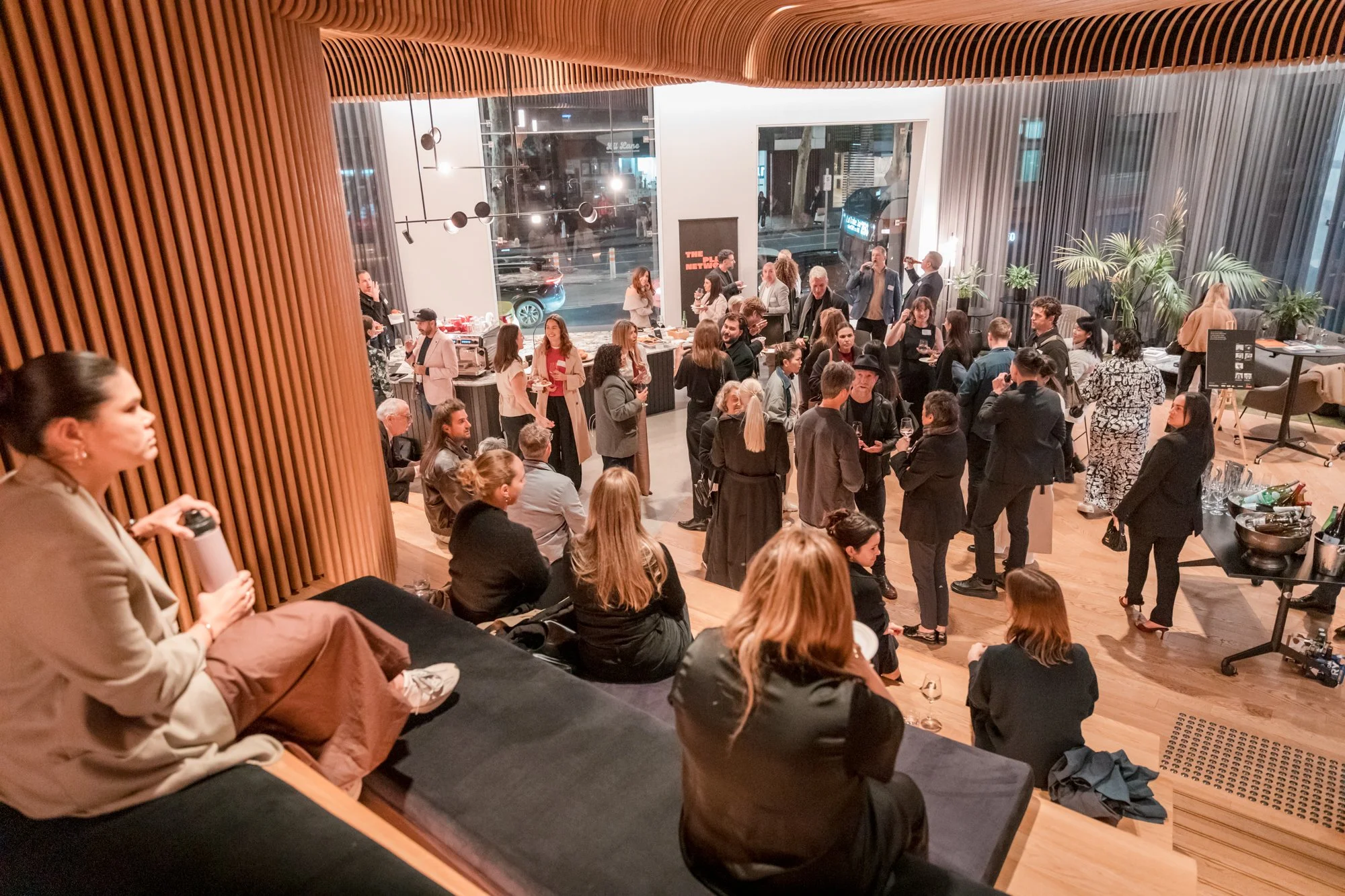
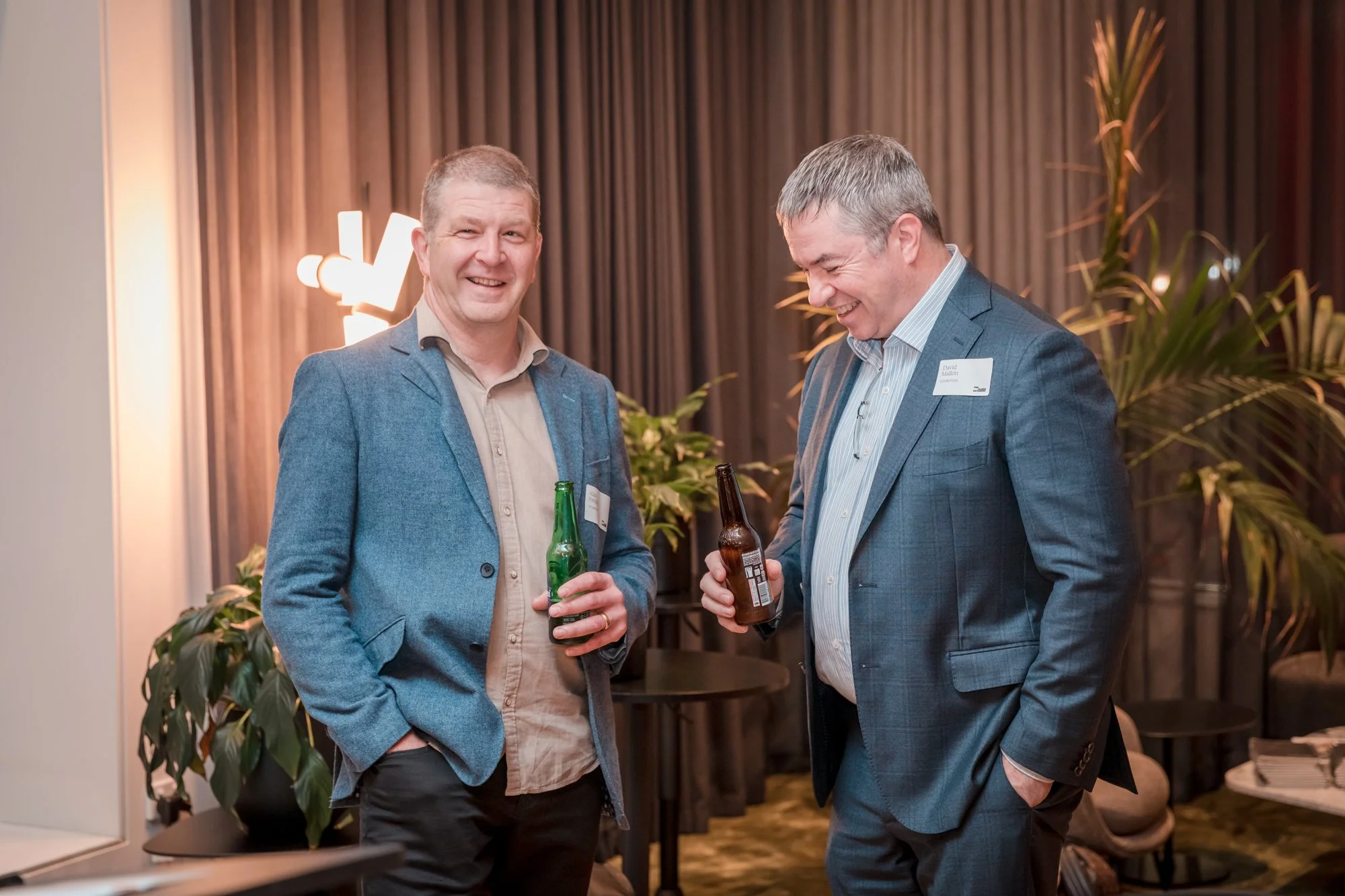
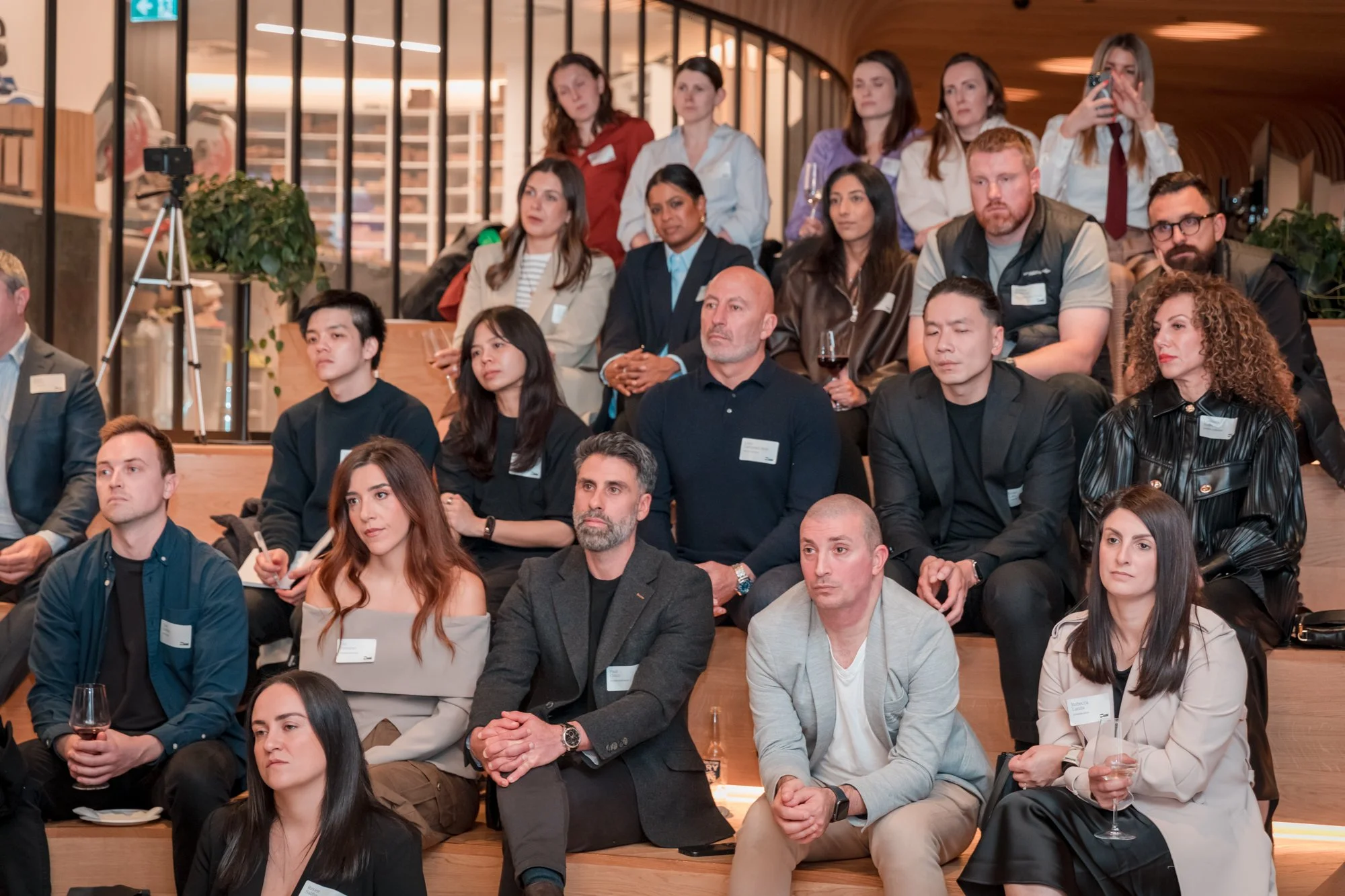
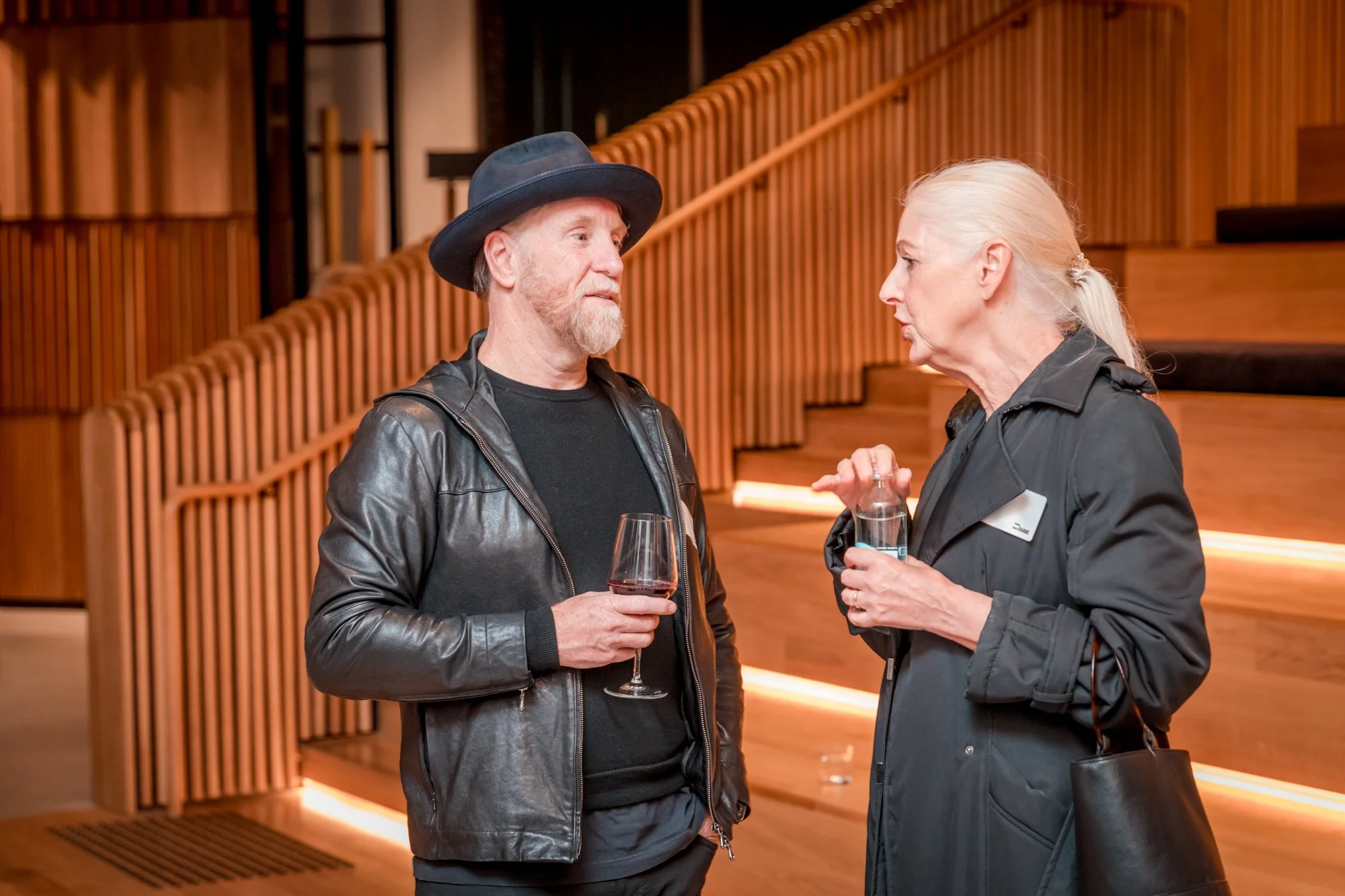
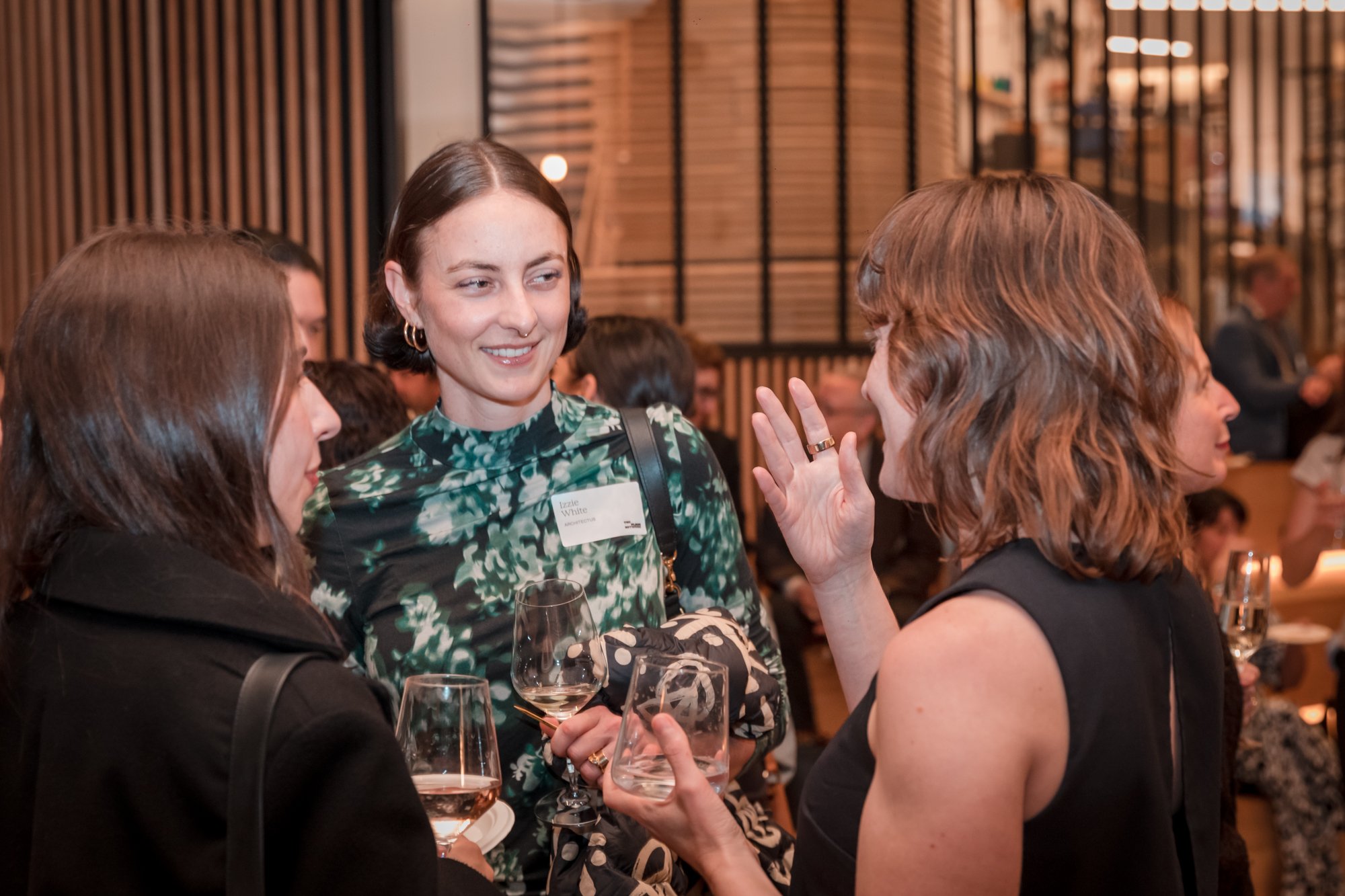
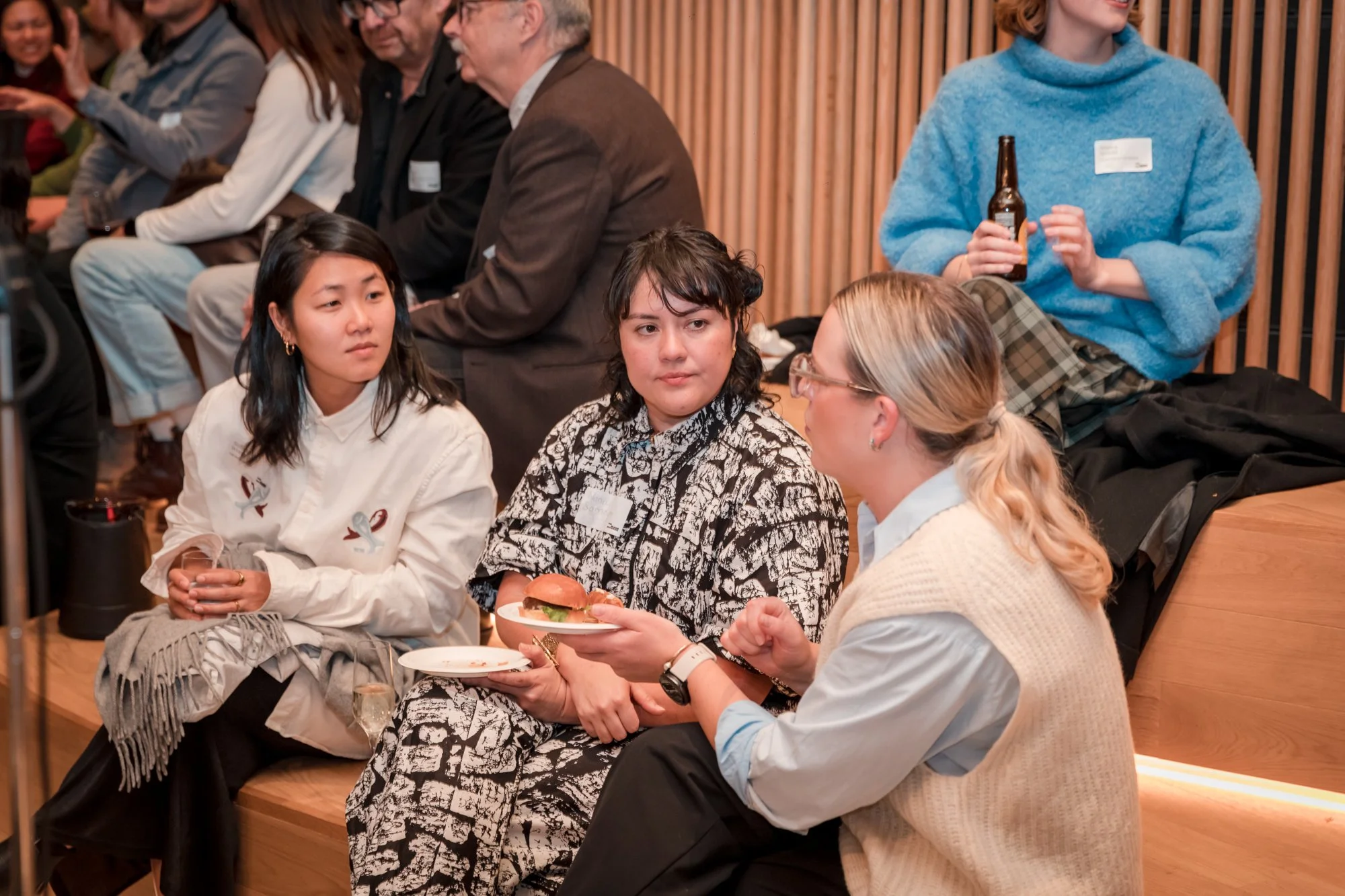
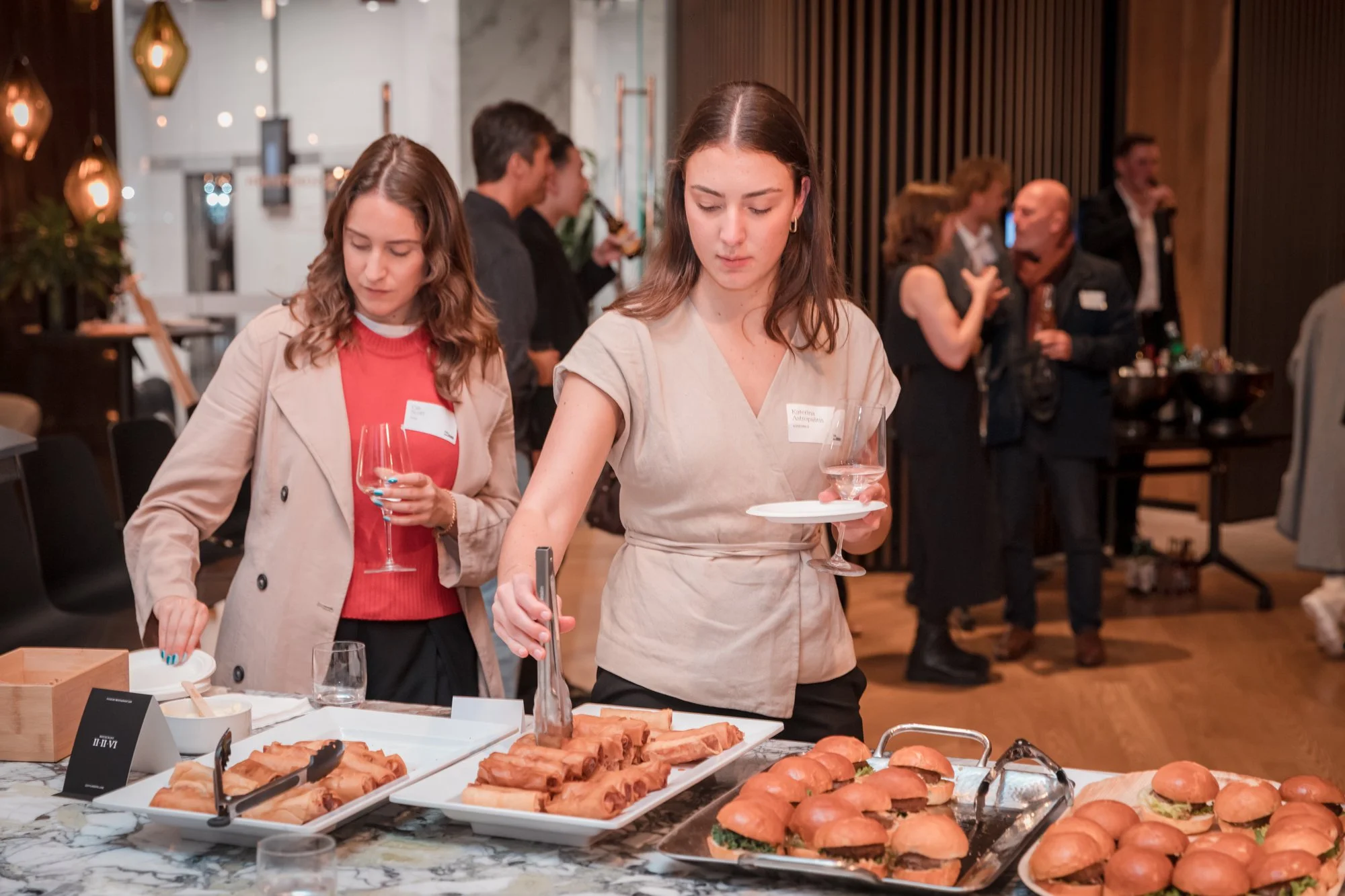
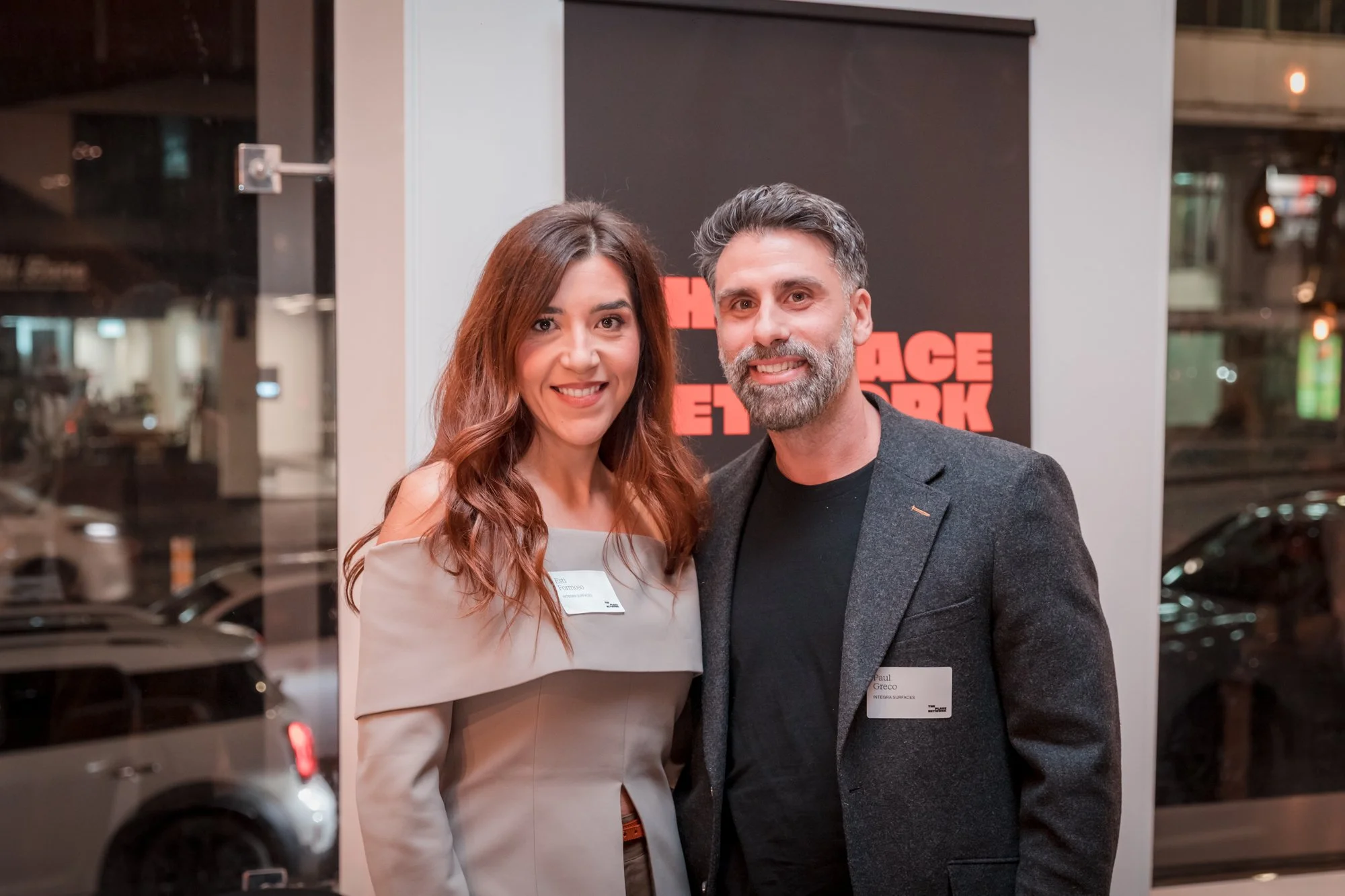
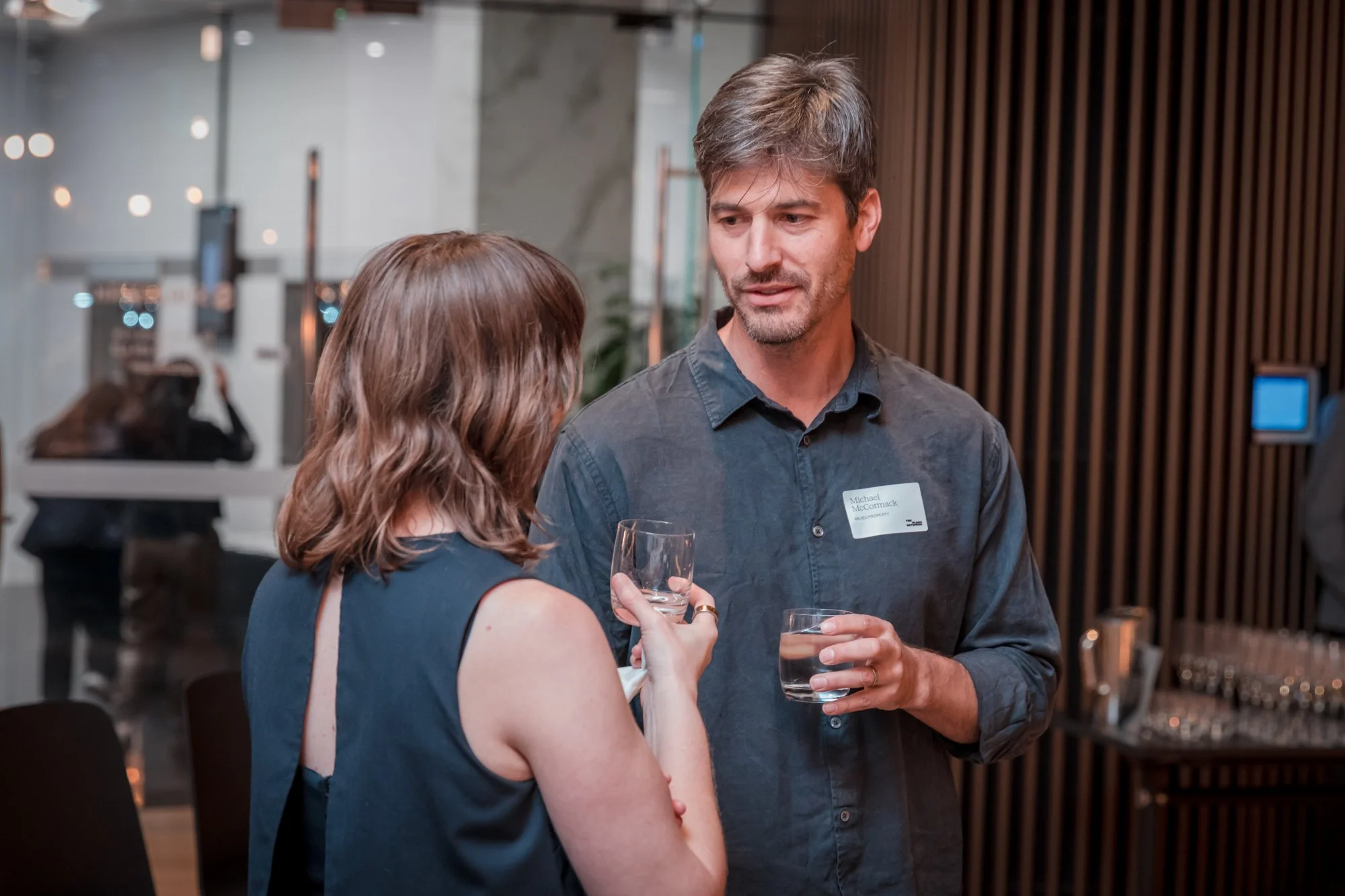
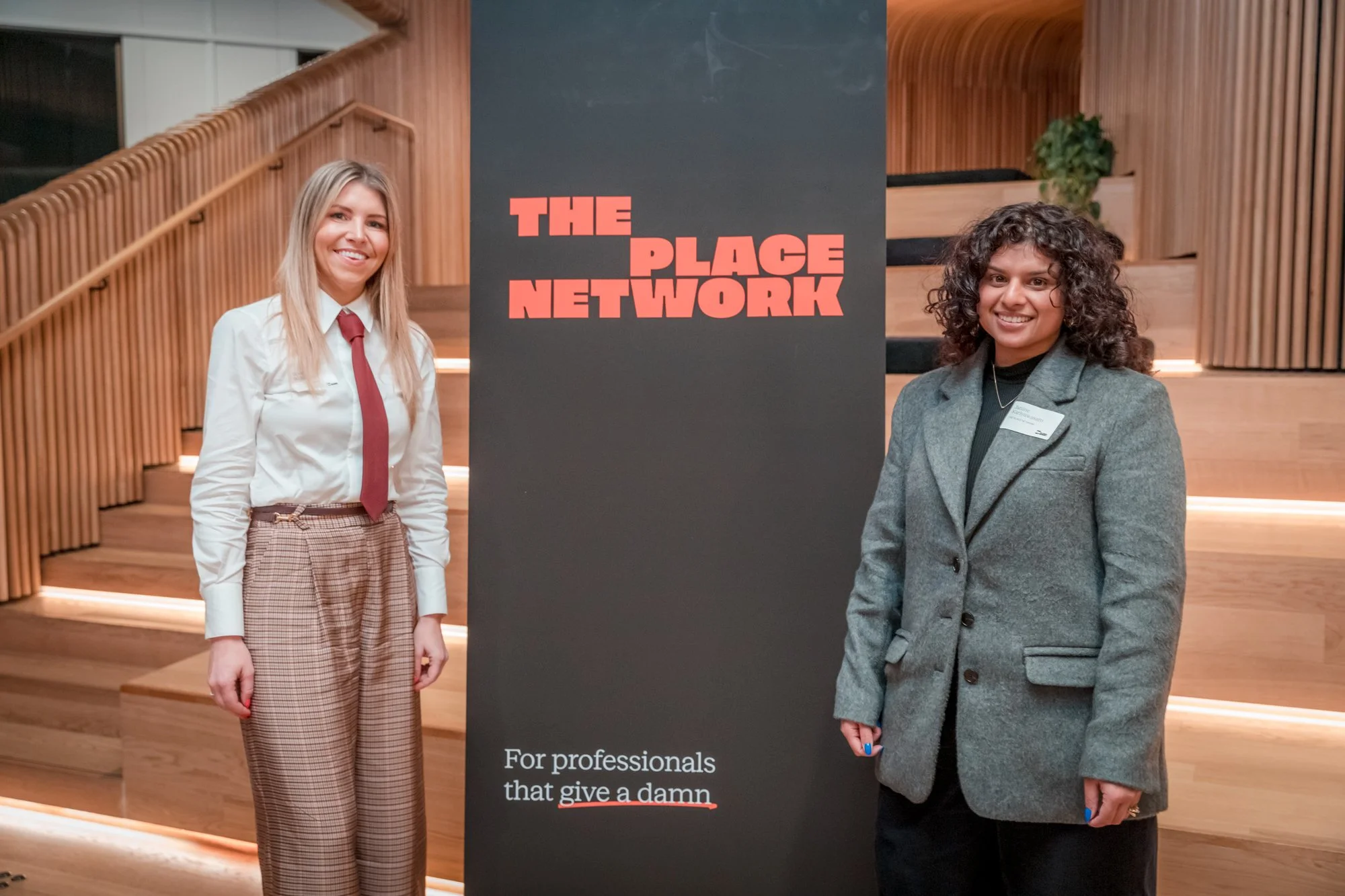
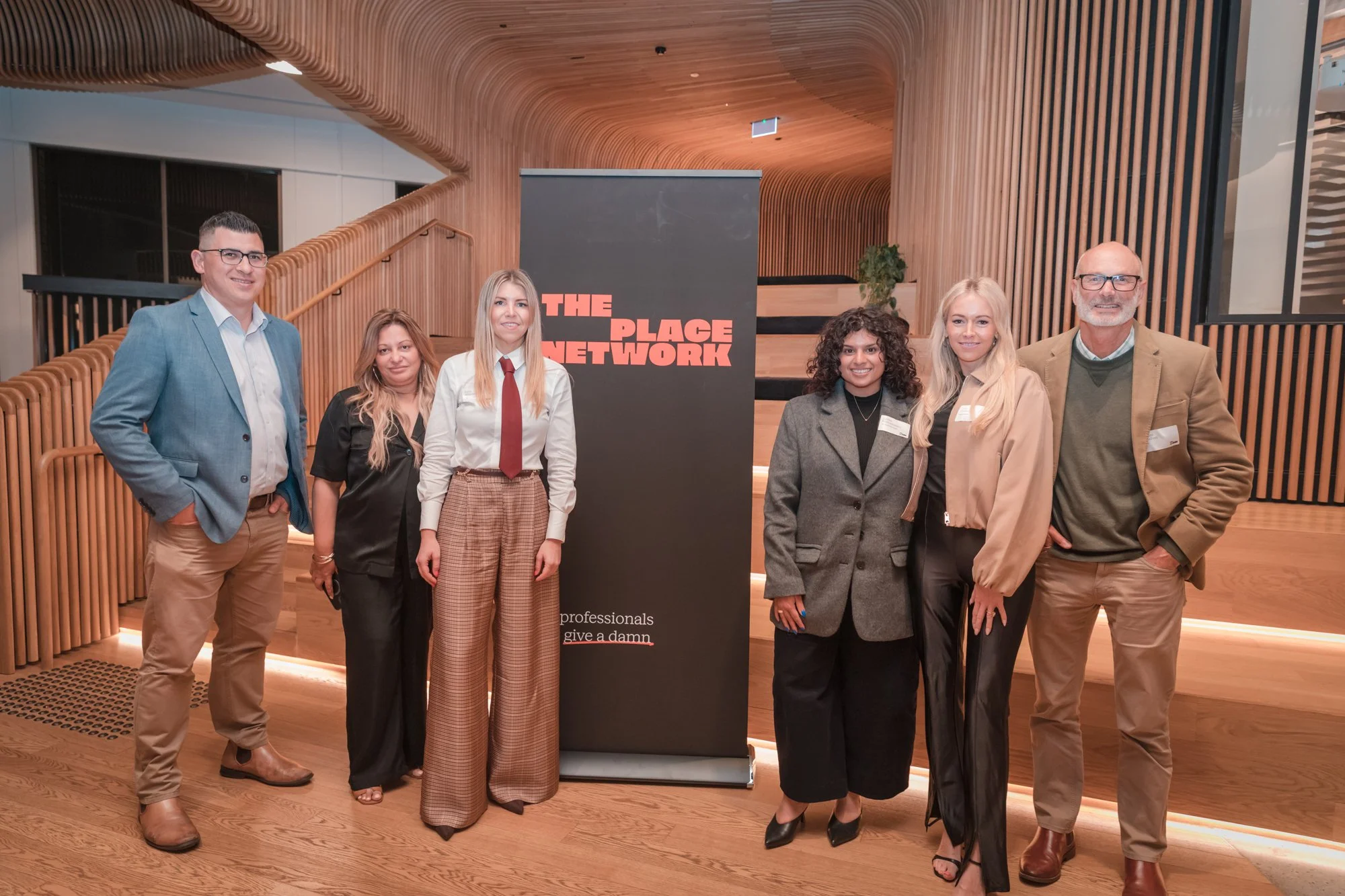
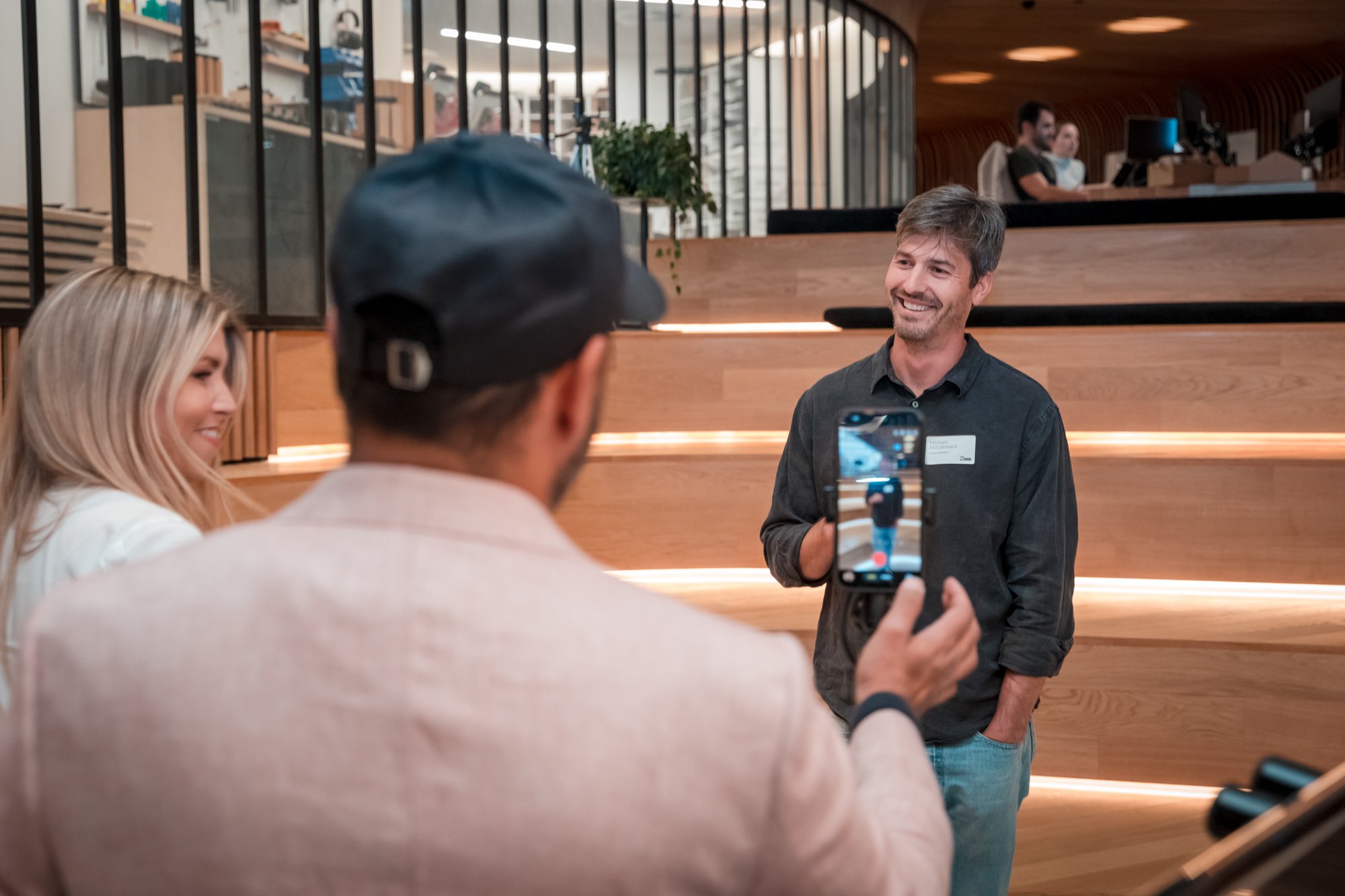
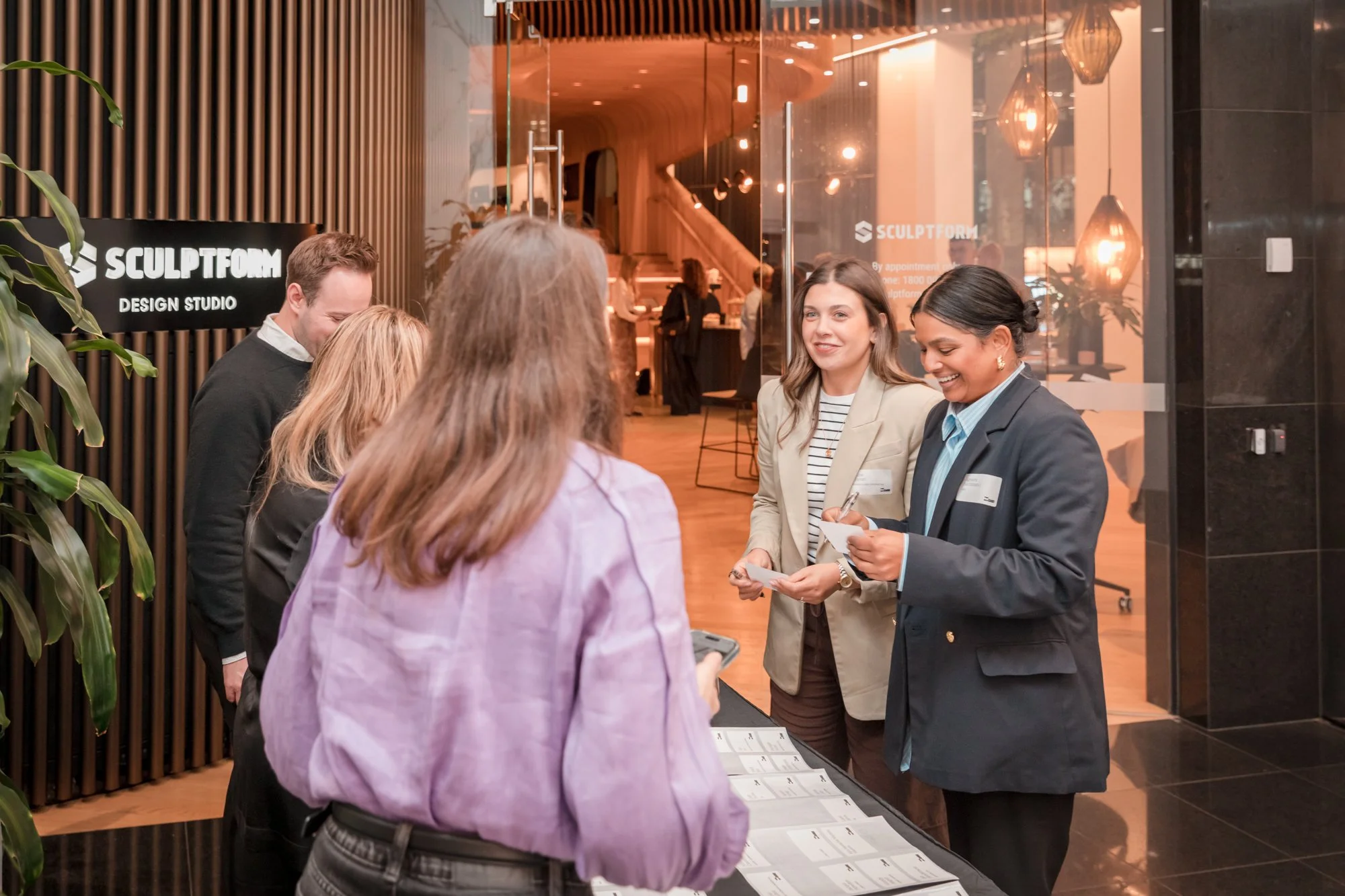
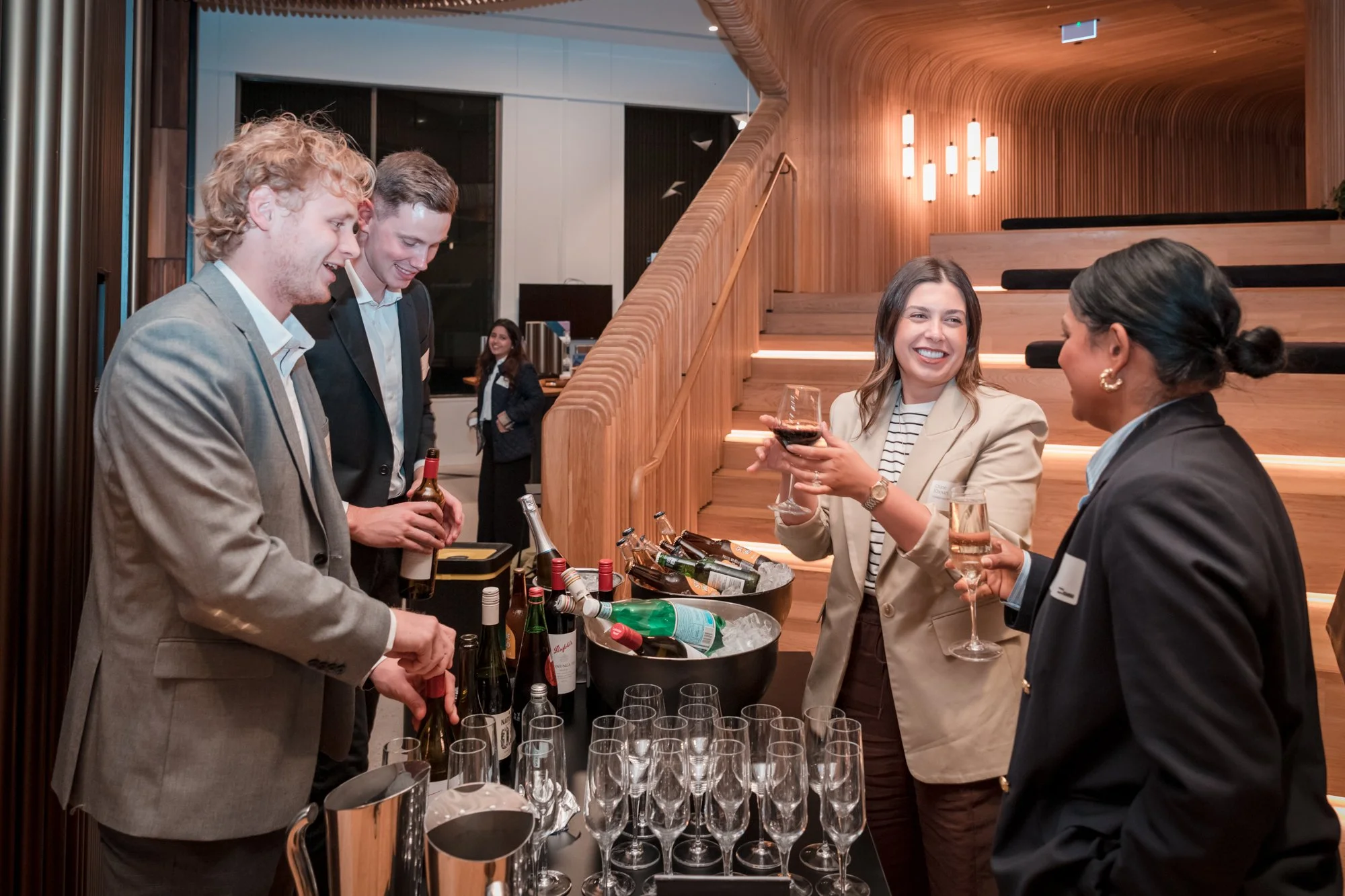
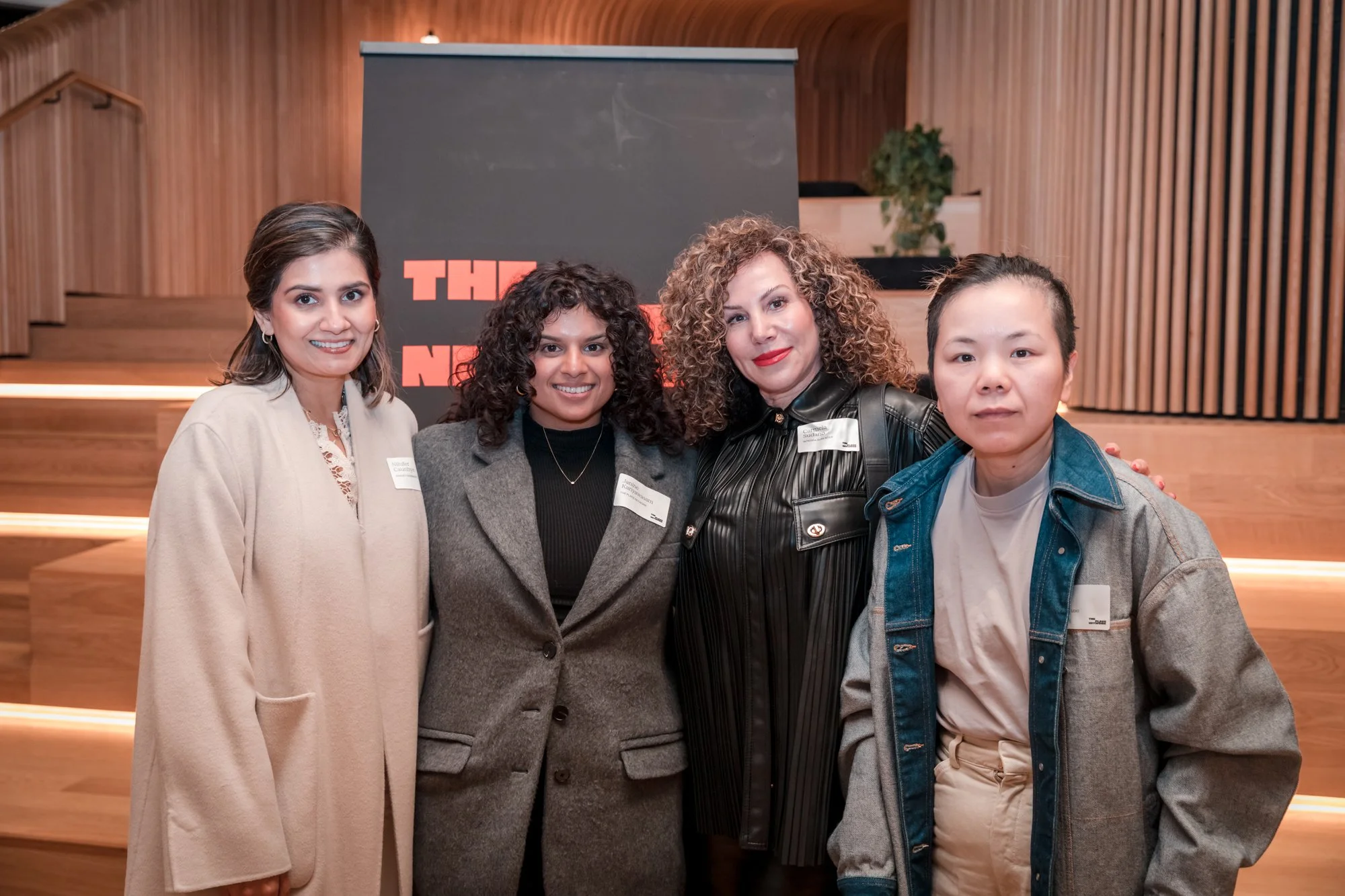
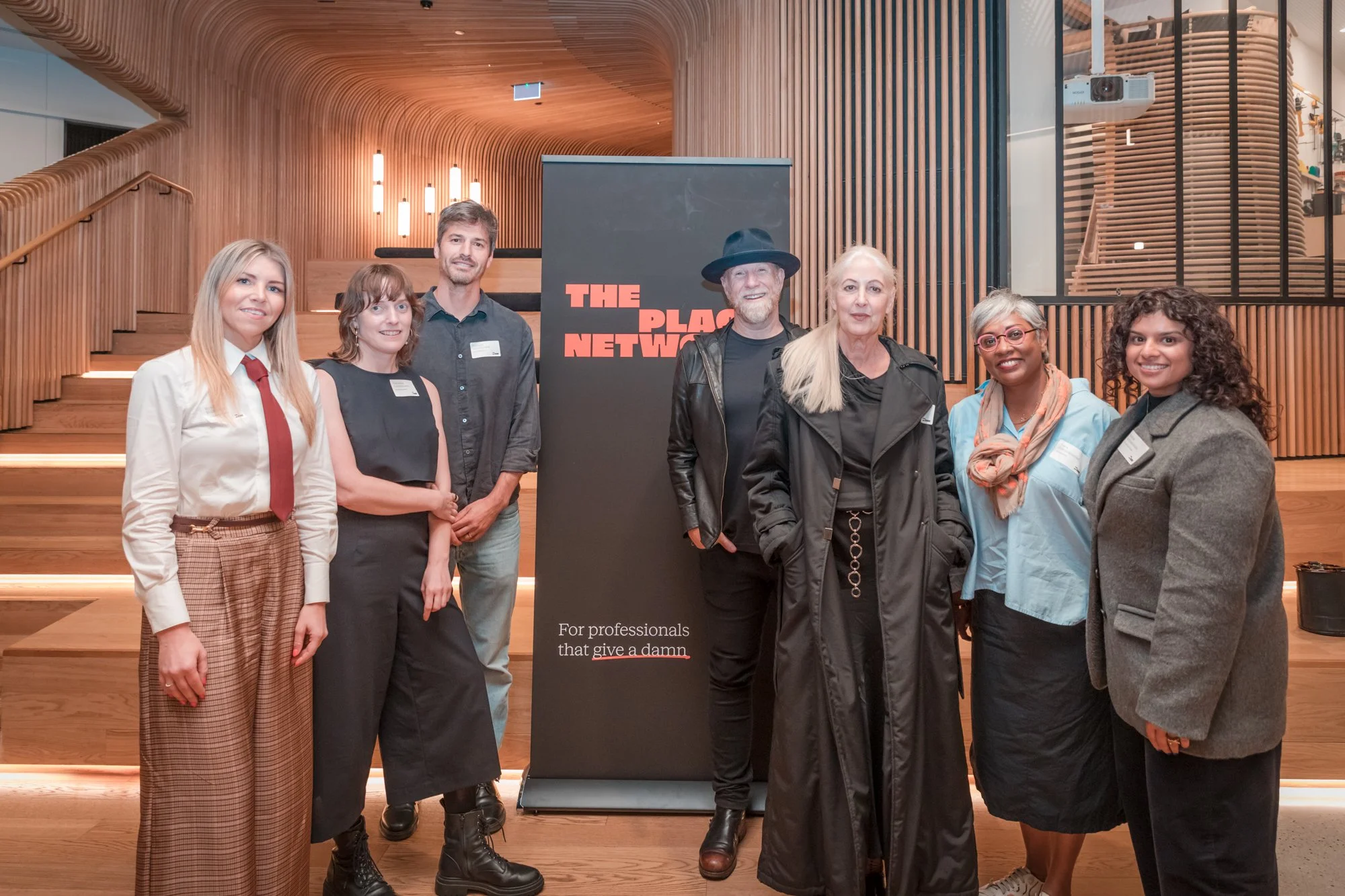
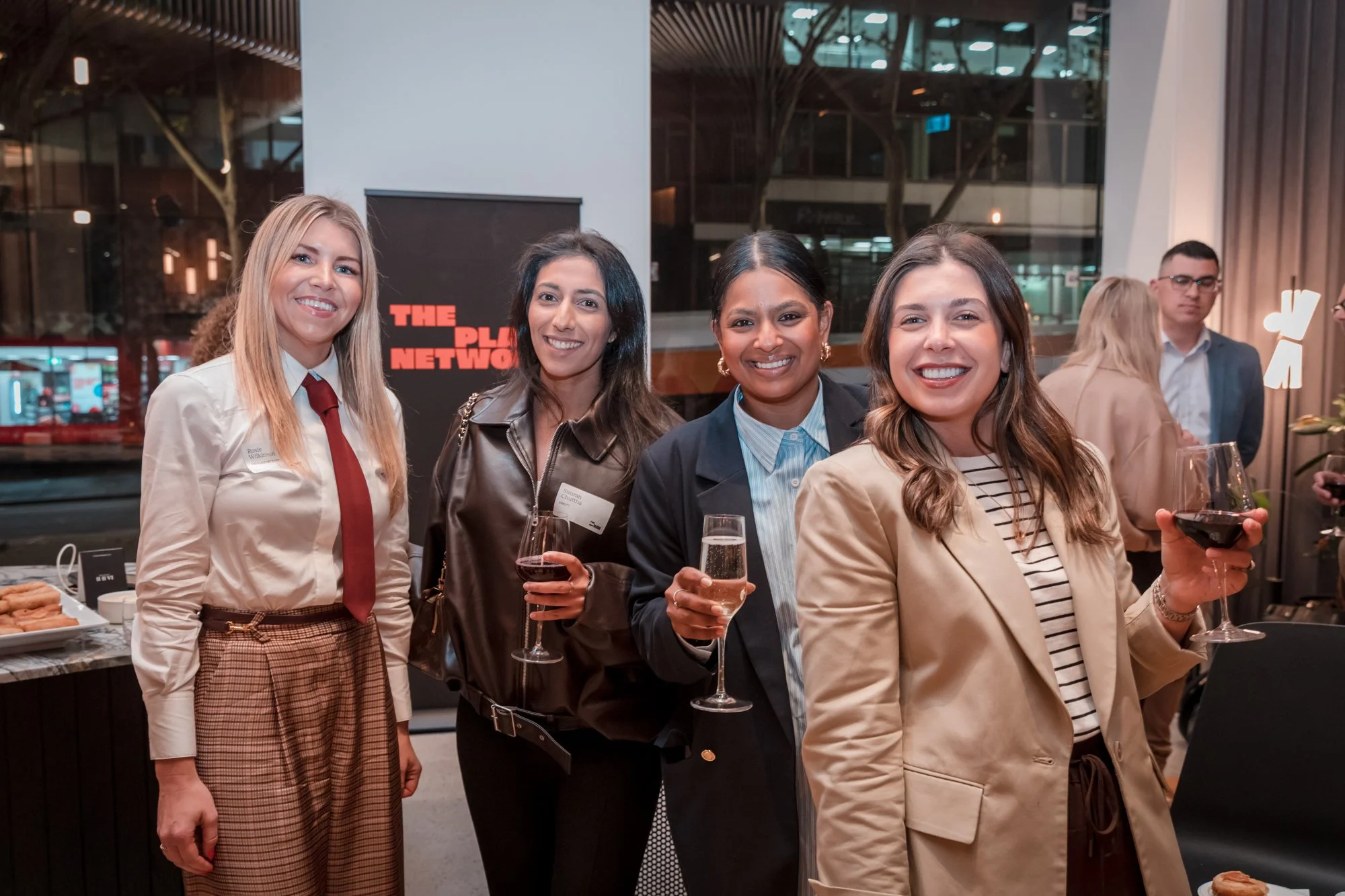
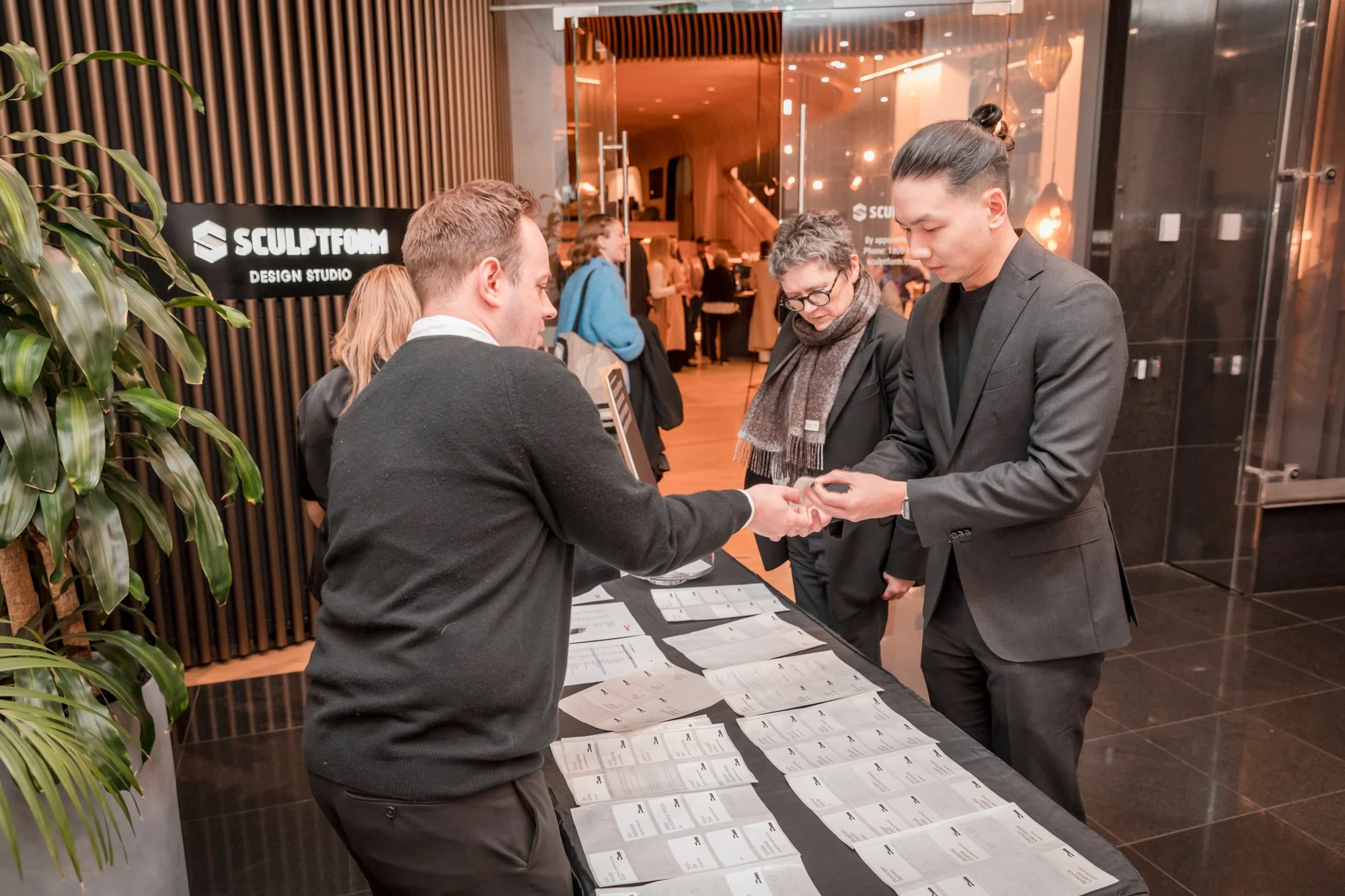
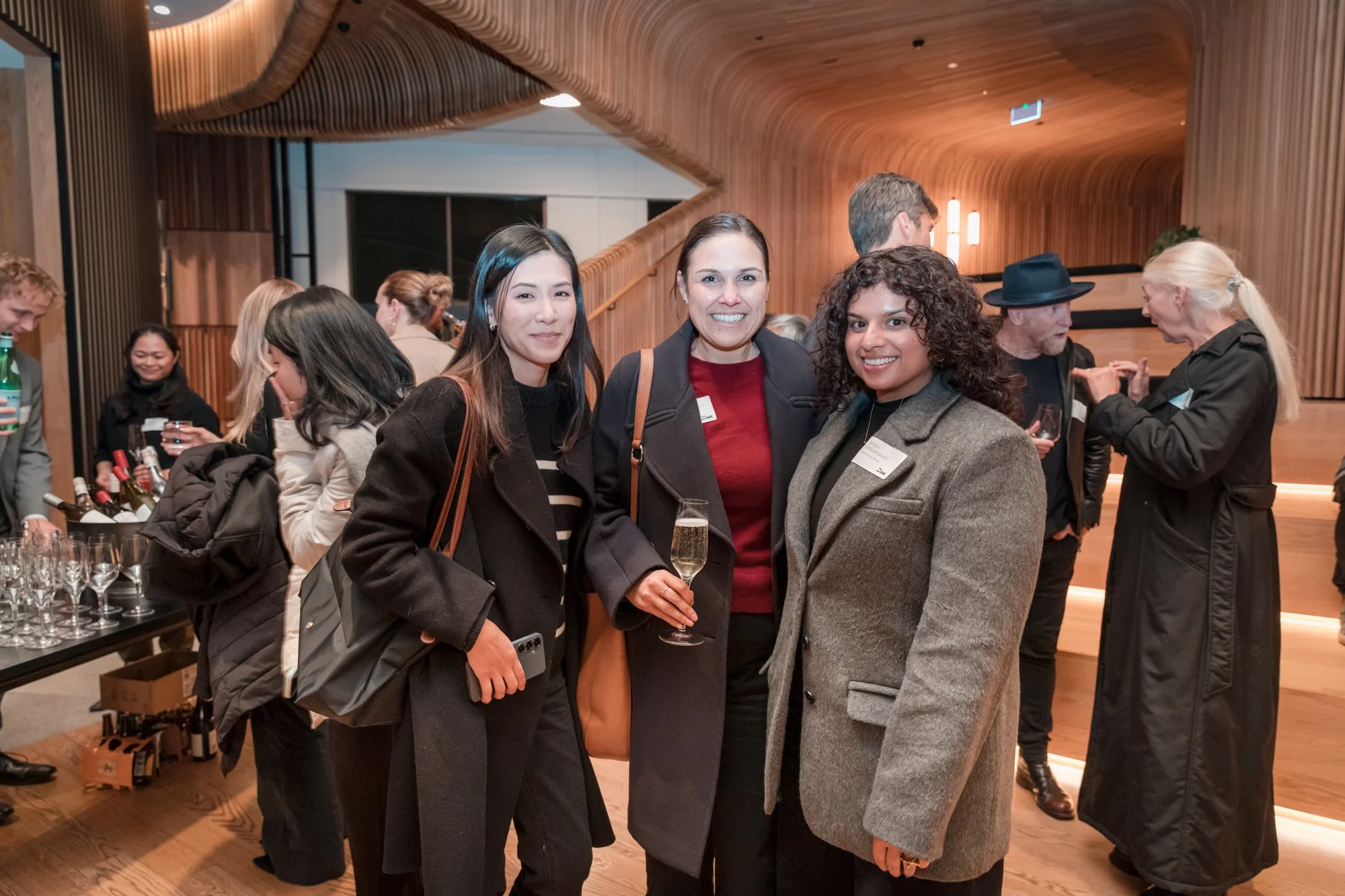
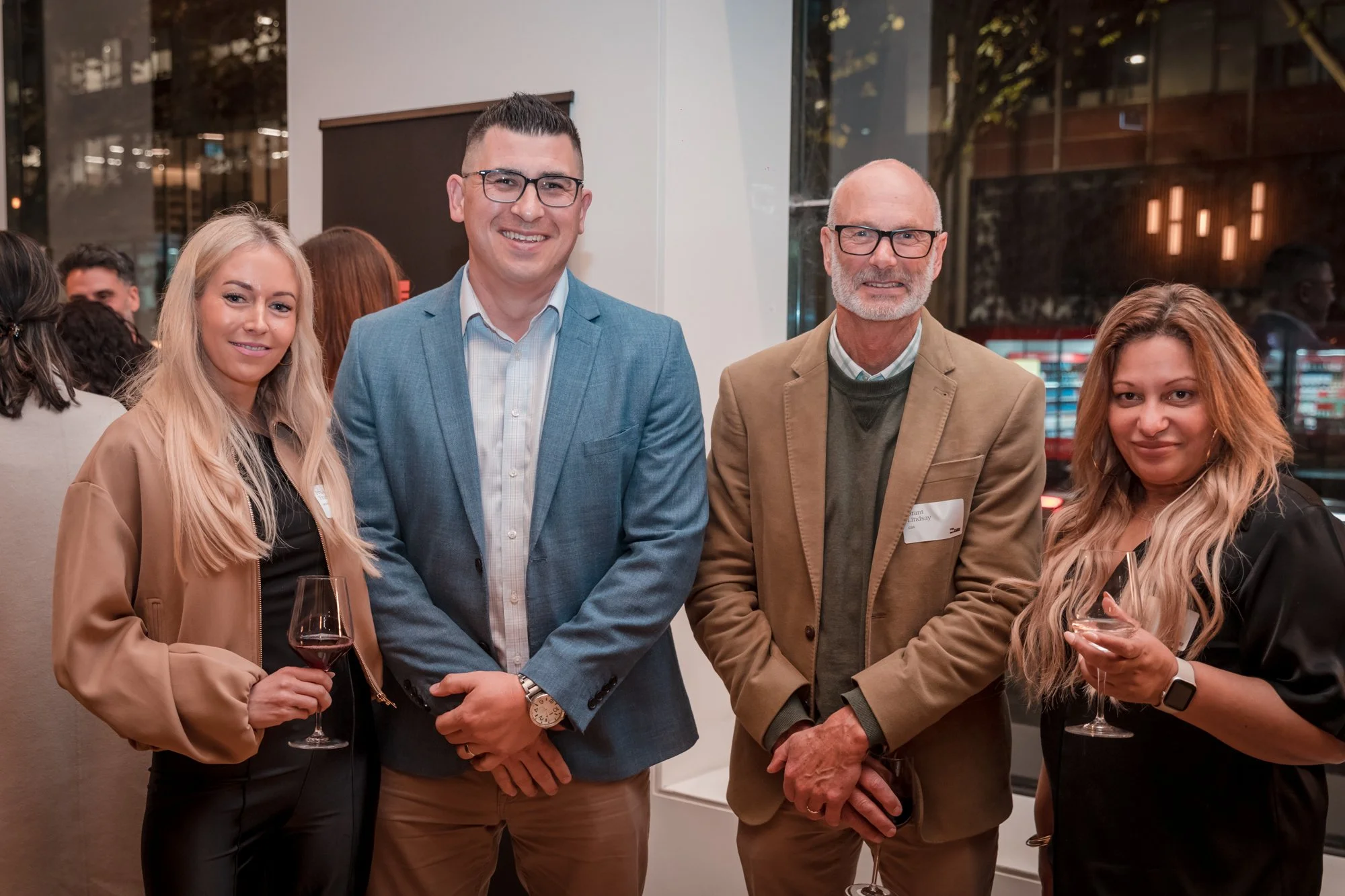
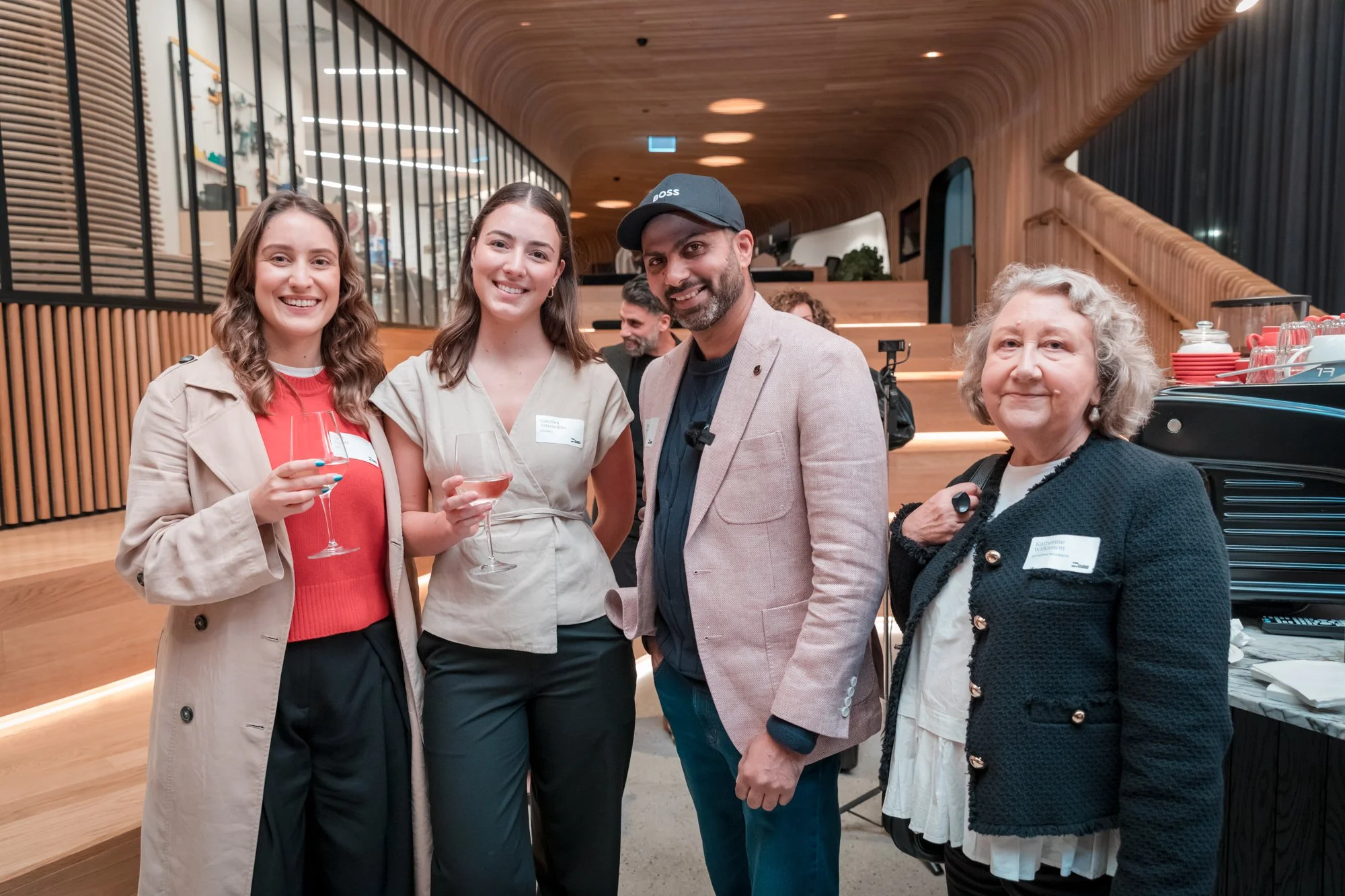
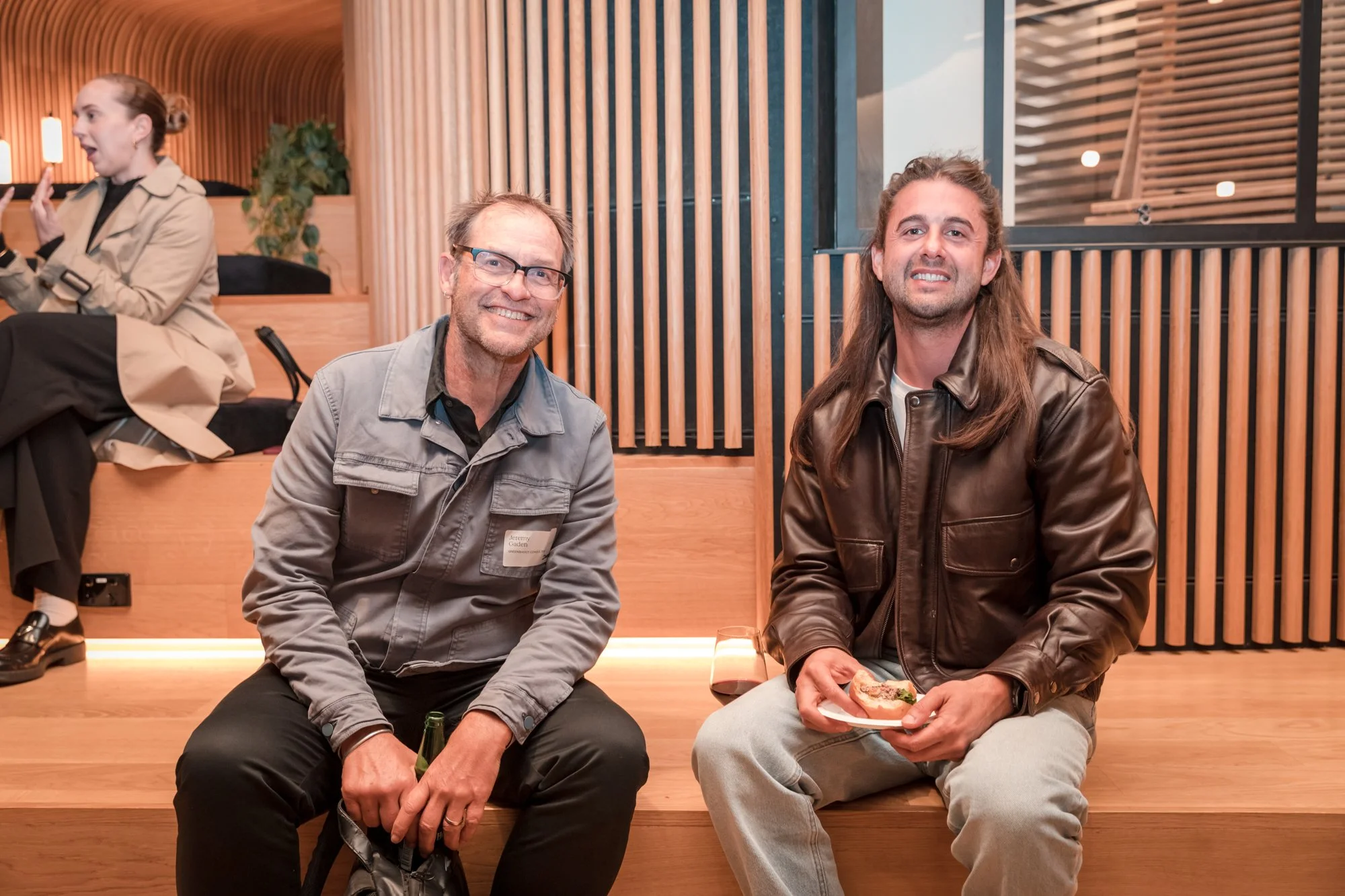
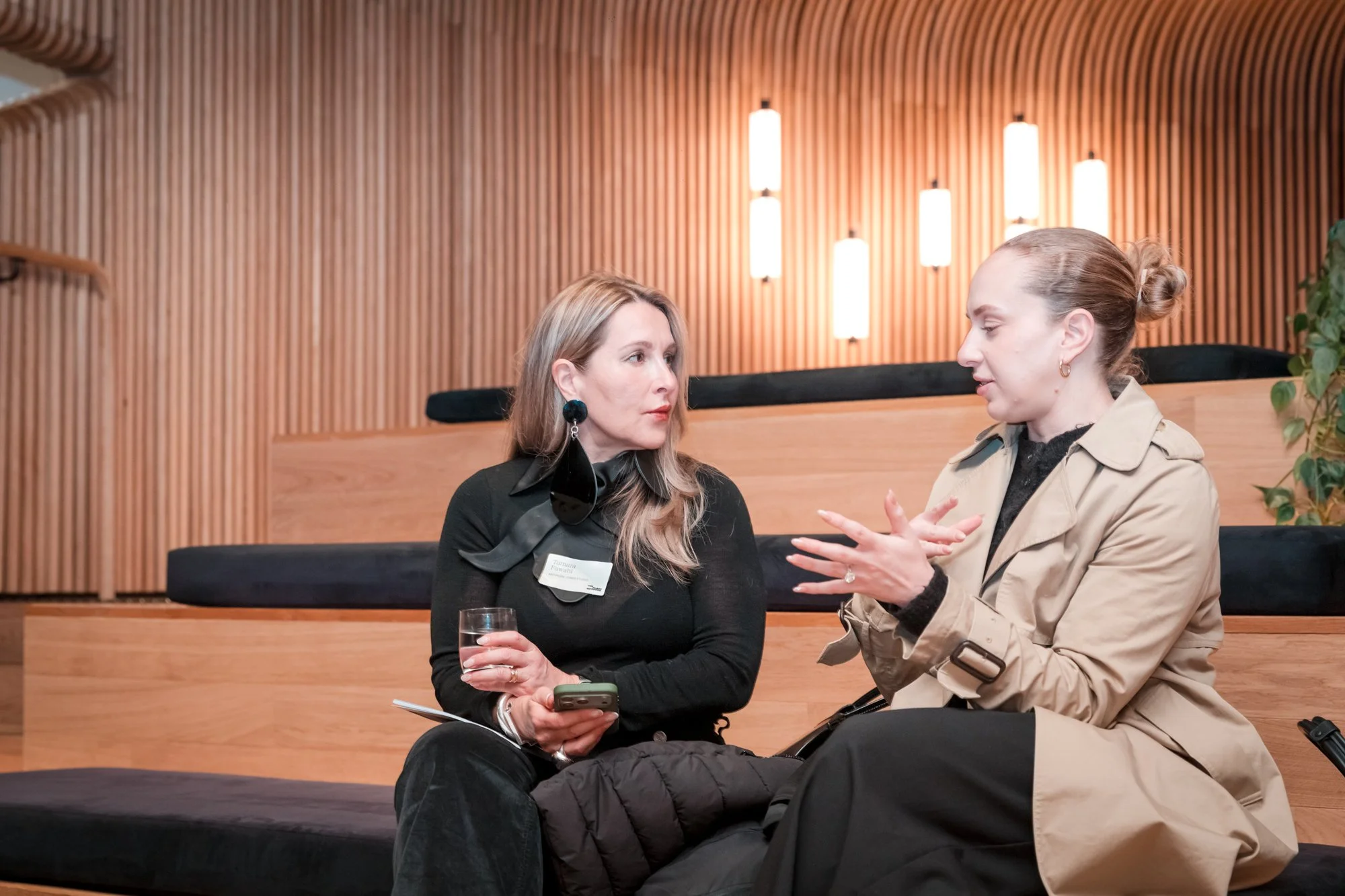
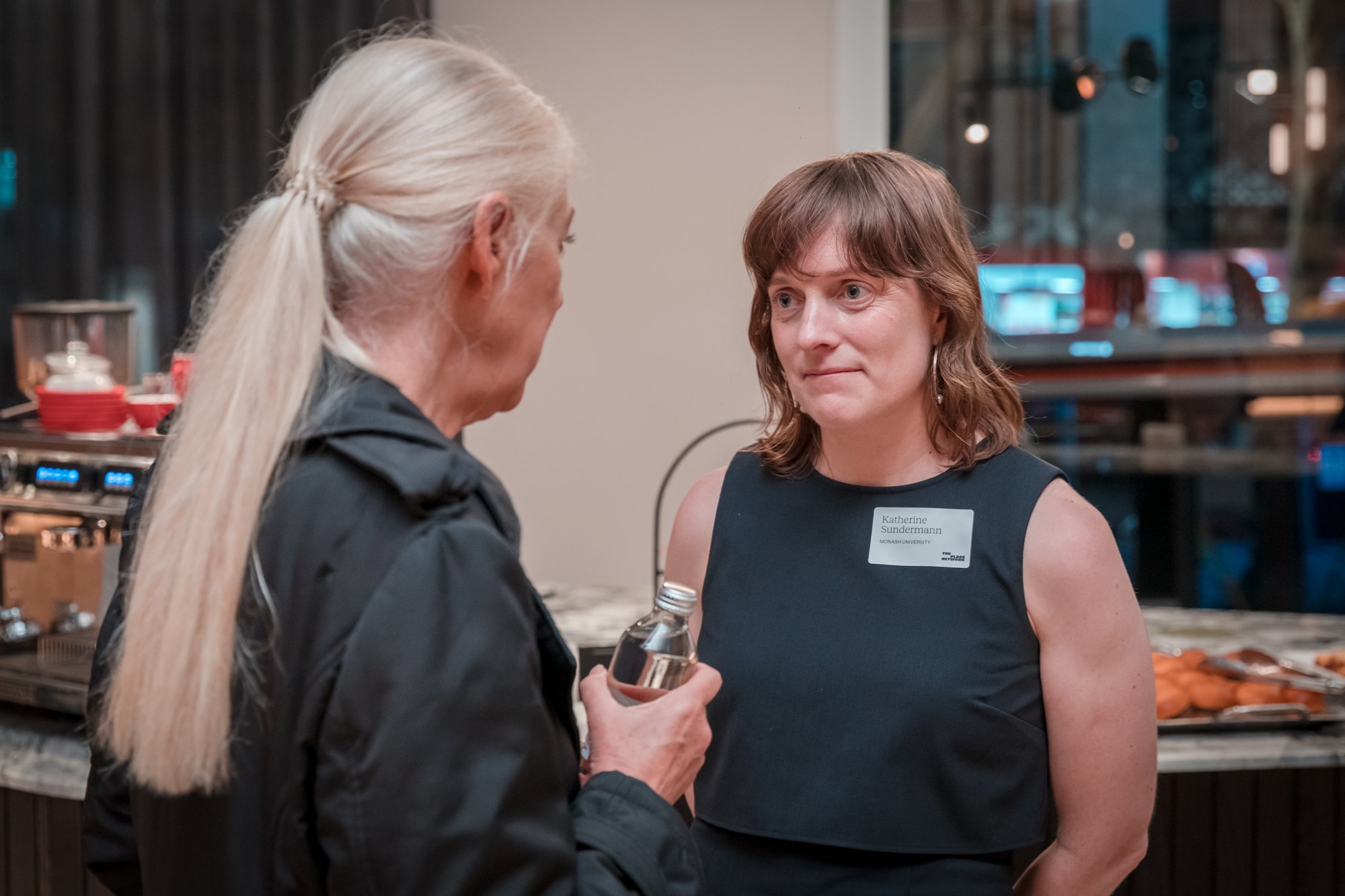
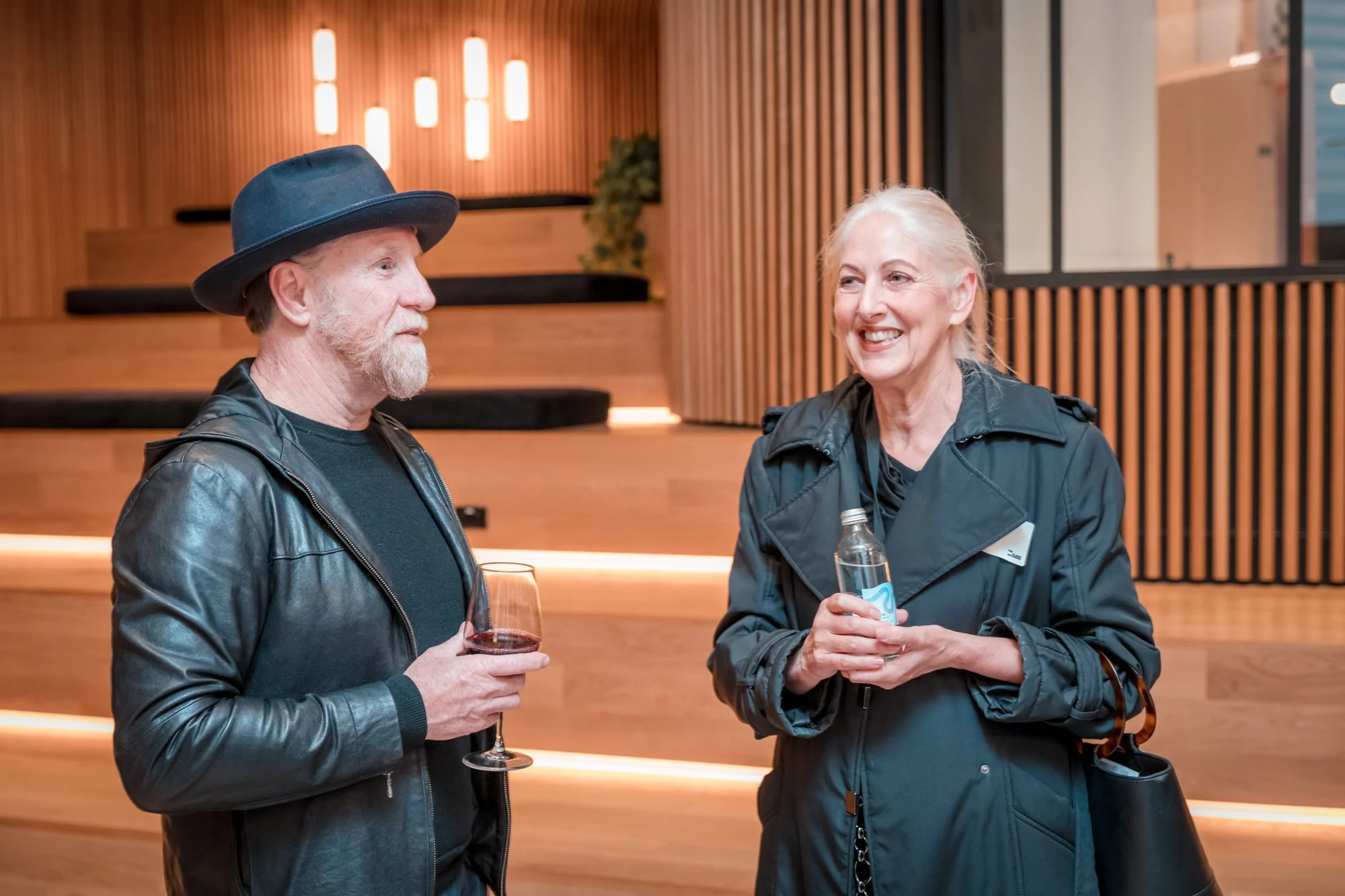
Our launch event sold out. 110 people came through the door who give a damn about Melbourne's future, from architecture, property, consulting, and brands.
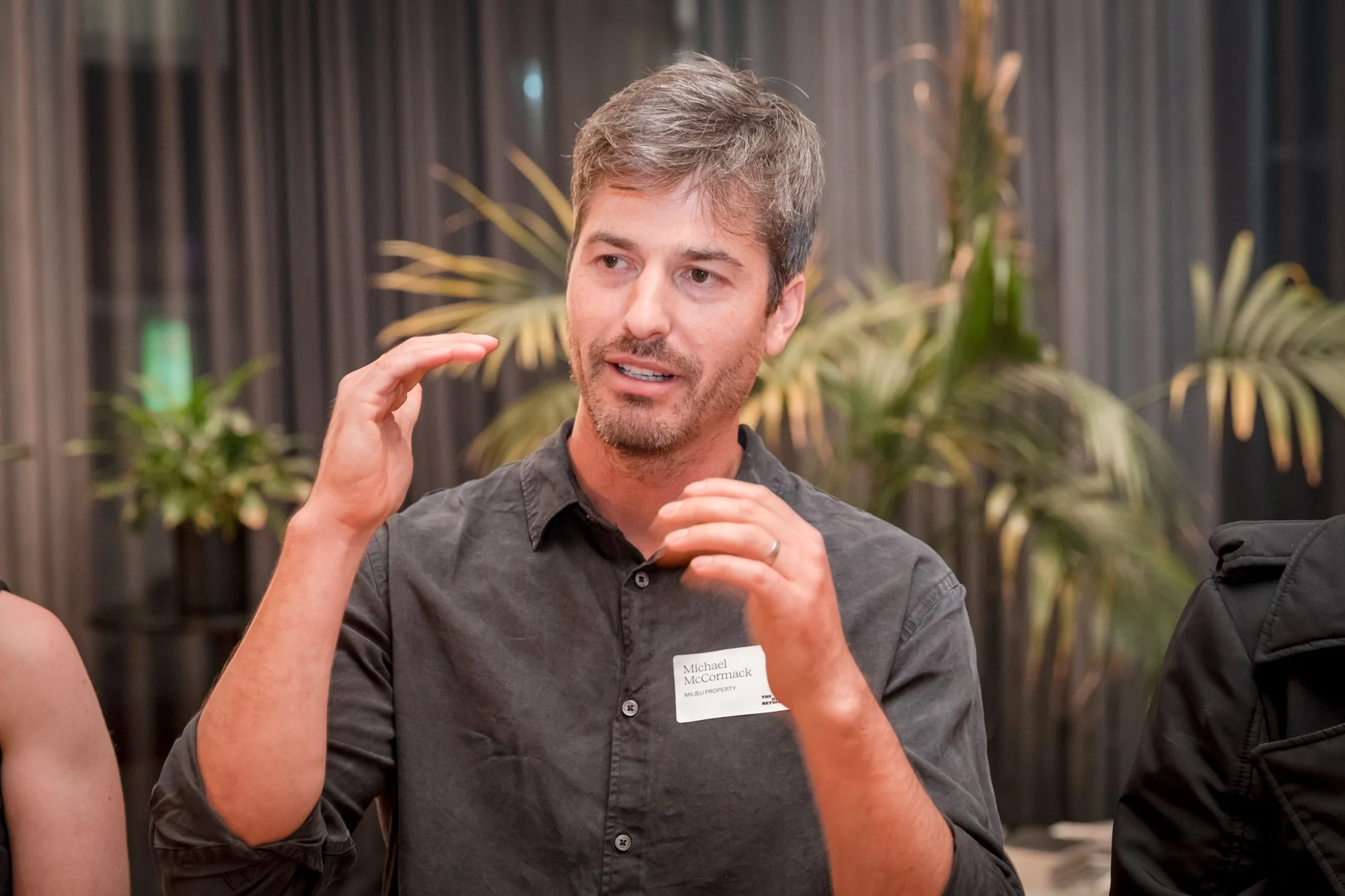
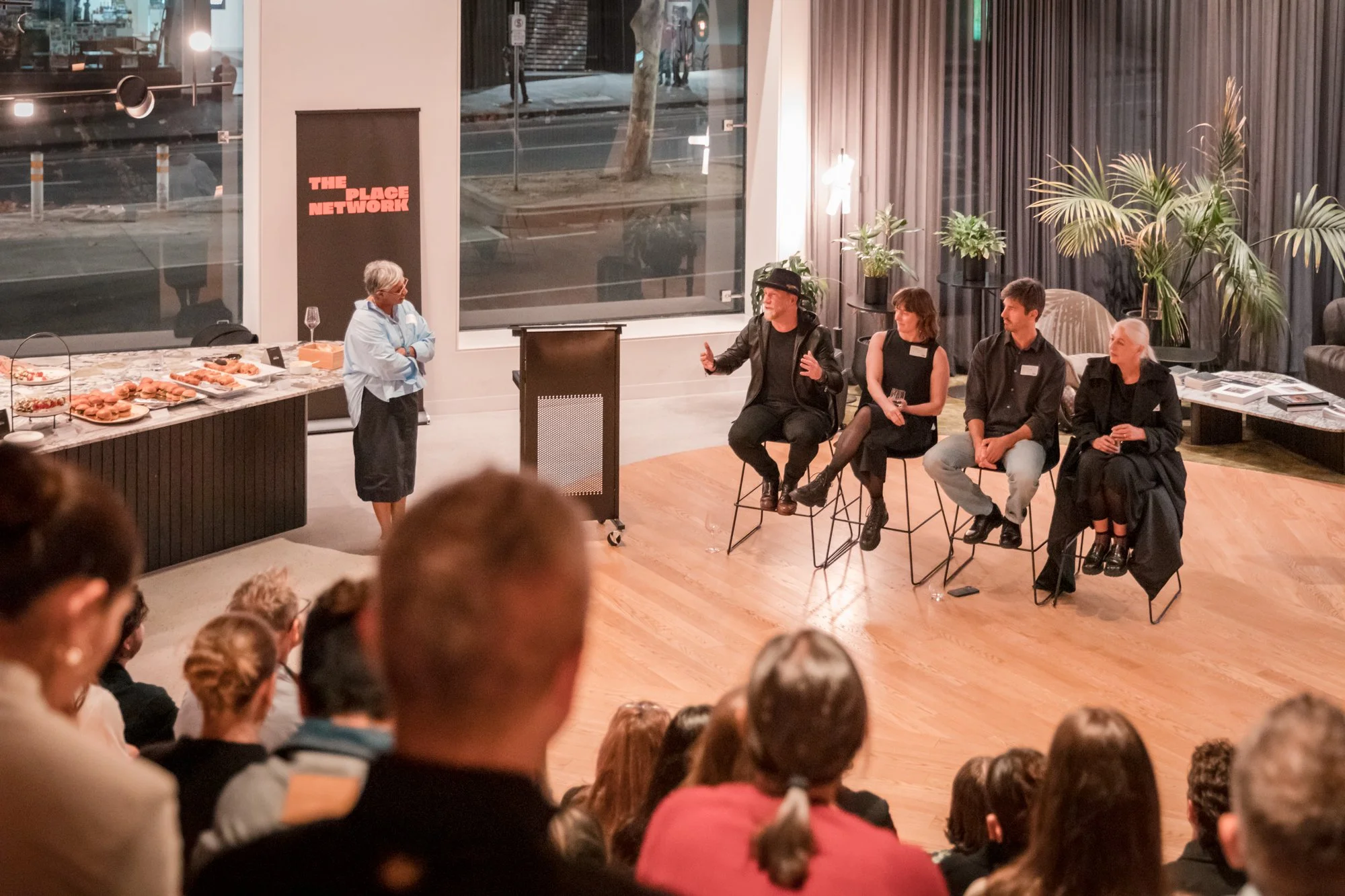
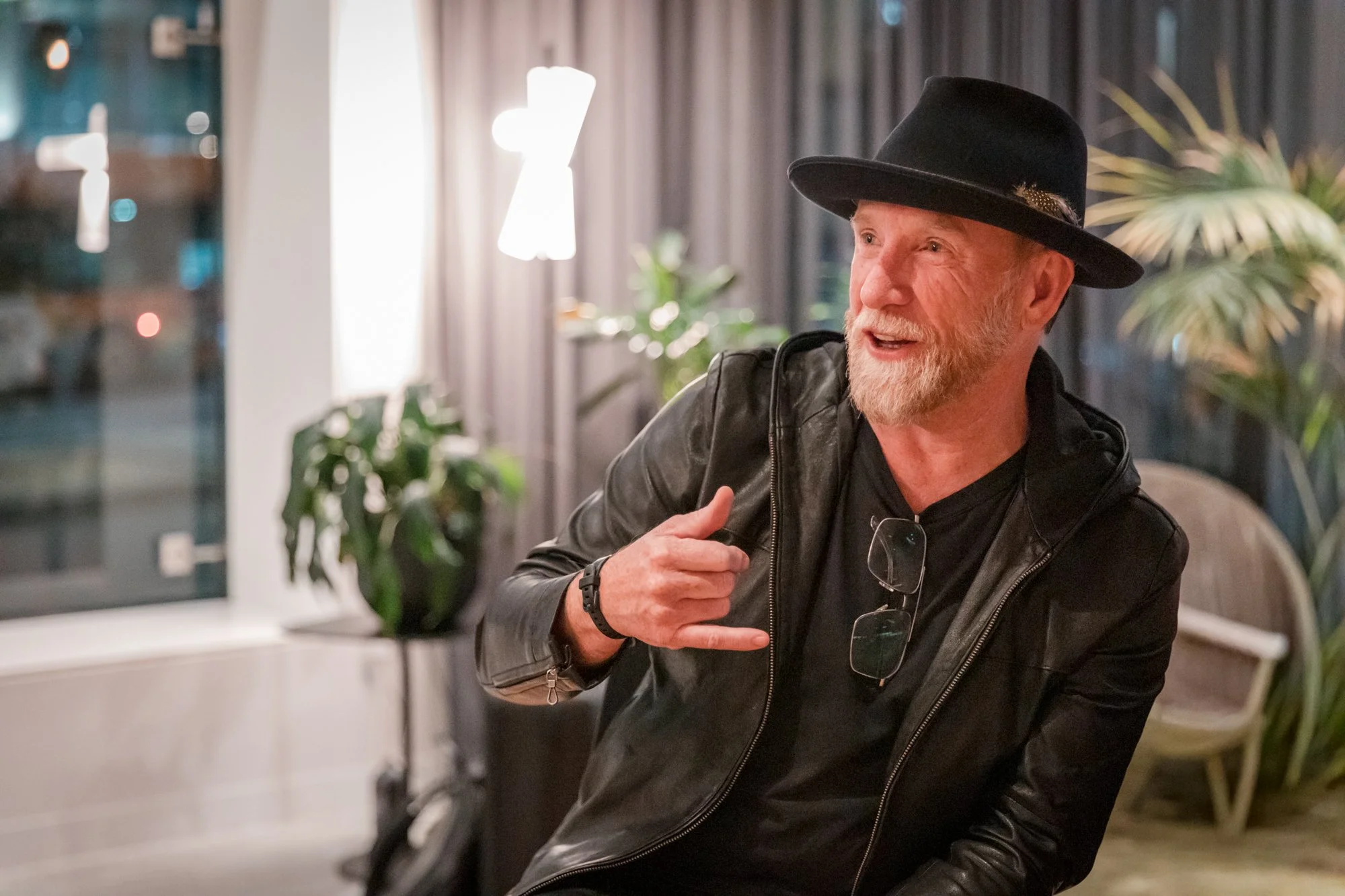
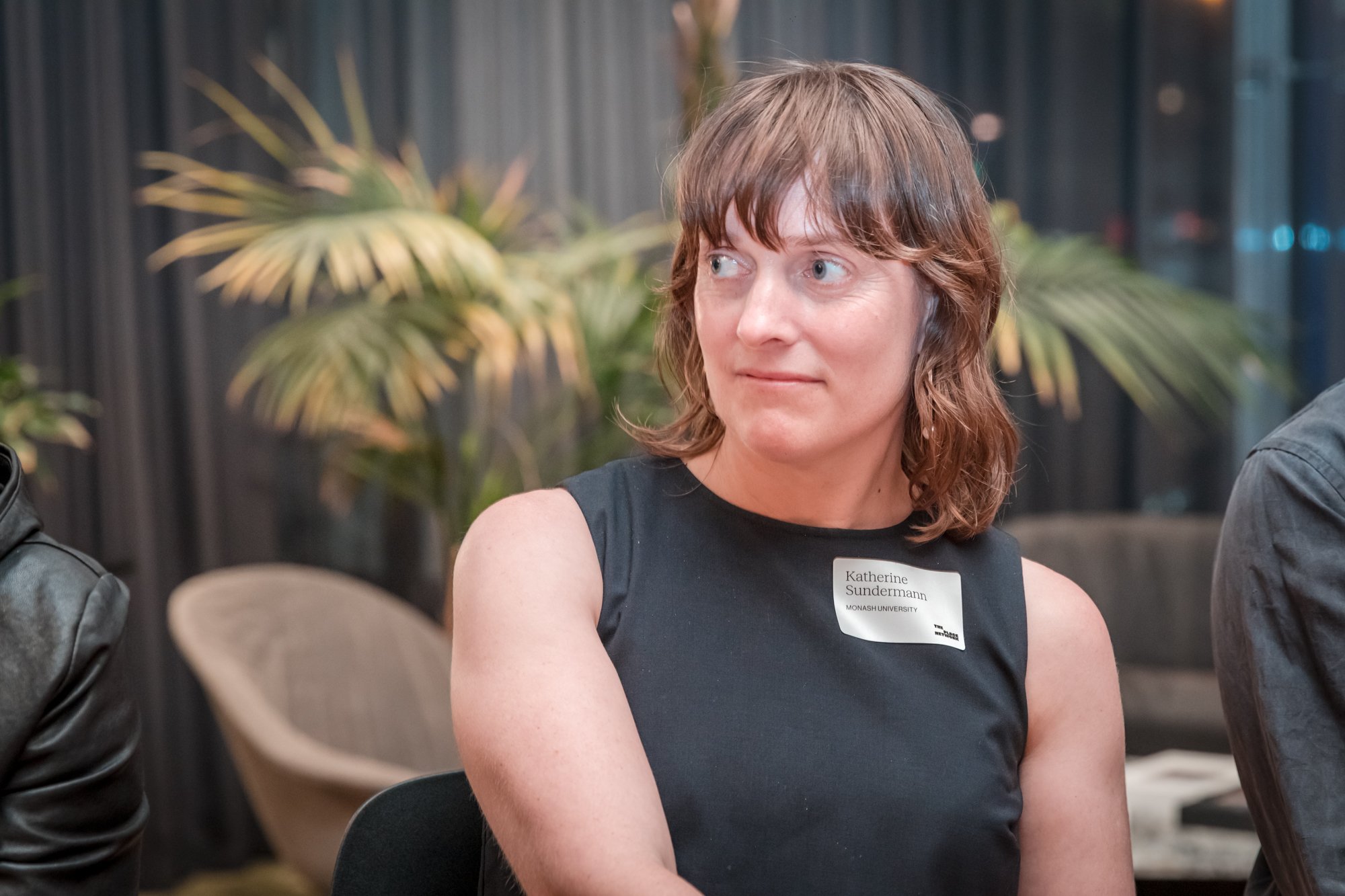
Jill Garner, Andrew Hoyne, Katherine Sundermann and Michael McCormack each brought something sharp to the conversation, a few lines from the room have stuck with us since.
Jill's was simple: everything is designed, it's either designed poorly or designed well, and if you give a damn about it you learn how to do it well.
Michael spoke about bringing community into a project before the decisions are locked in, and how that doesn't have to be at odds with commercial viability.
Katherine made the case that development has to give back to a city, not just extract from it.
Andrew put it plainly too, you can't market your way out of a place that doesn't work.
That's the kind of night The Place Network is built around. The people who actually shape Melbourne having an honest conversation about it.
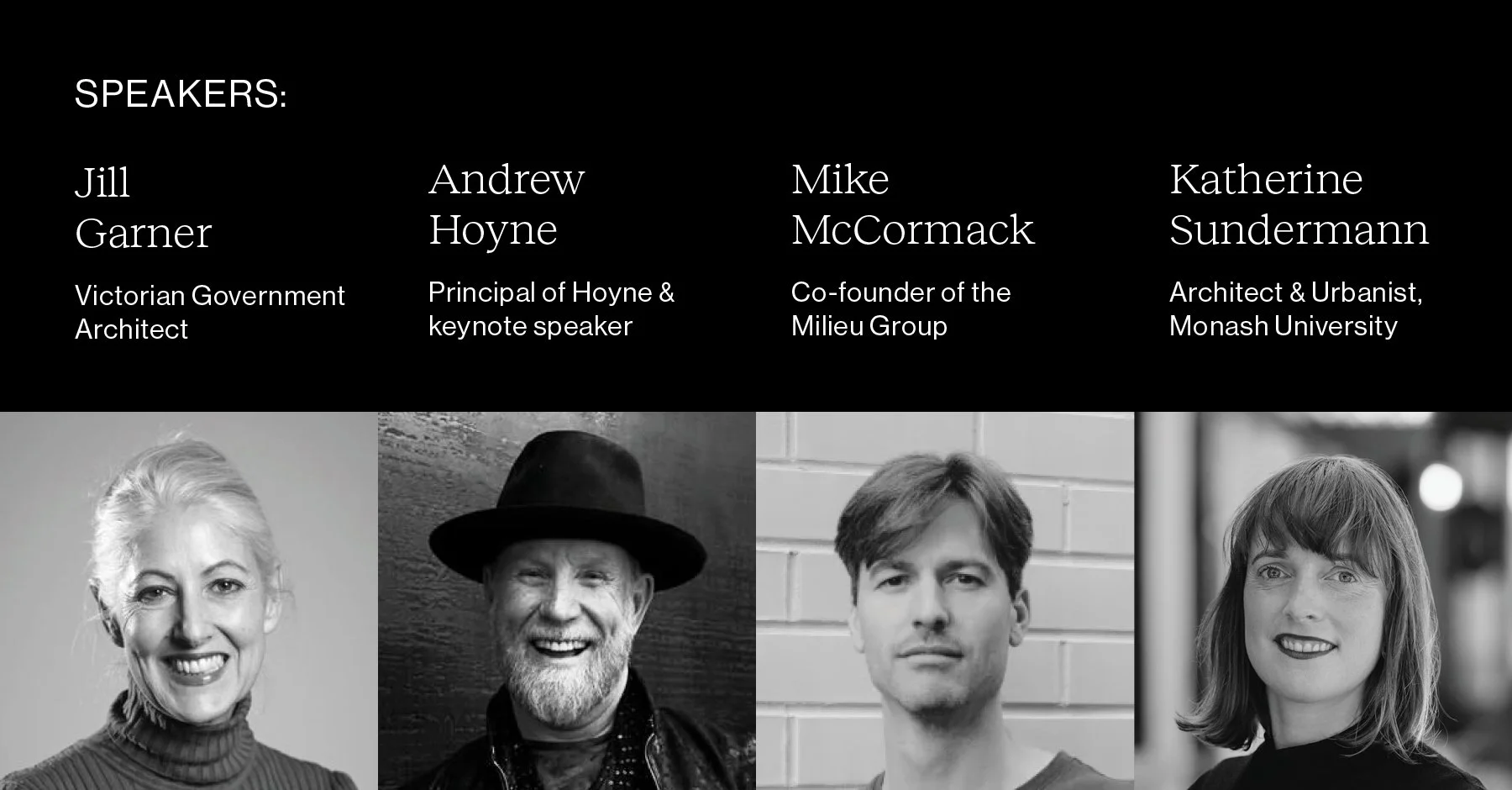
-
Effective collaboration is fundamental to precinct design, yet it remains one of the most difficult outcomes to achieve in practice. This panel discussion addresses the critical tension between good design, regulatory frameworks and commercial viability.
We bring together distinct perspectives — the state's leading voice on design excellence, a global authority on commercial placemaking, and local minds on urban planning and development — to share case studies and insights on what makes great local design last.
The conversation will cover
What makes a precinct successful and how design evolves to meet human behaviour and ecological pressures over time
Practical tools and frameworks that facilitate genuine alignment between architects, developers and planners
Identifying red flags in the feasibility stage and how early collaboration prevents costly pivots later
How to forecast the long-term social and economic legacy of good design
-
Sculptform Design Studio
50 Queen Street, Melbourne CBD 3000
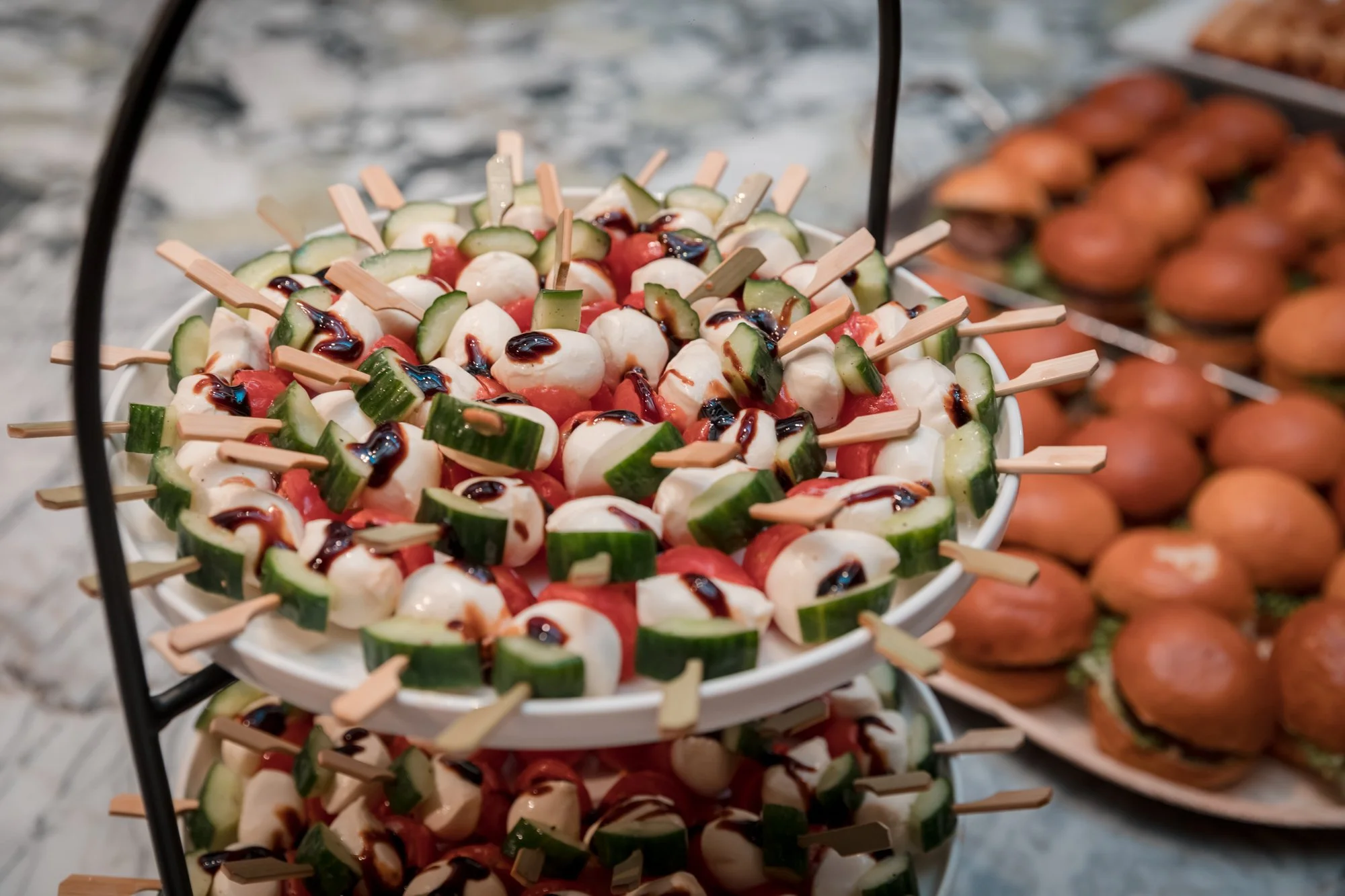
Designed by Woods Bagot · Doors open 6:00pm · Drinks and nibbles to follow

Our Partners
Every partner listed here has been chosen because their mission aligns with ours: a dedication to human-centered design, sustainable development, and the creation of vibrant, inclusive communities.
By bridging the gap between design expertise and commercial reality, these organisations are helping us set new standards for what a "place" can be.


